

-

Le Petit Mouton de Mouton Rothschild 2014
Premier Grand Cru Classé350,00€0,75 lUnit price 466,67€ / lUnavailableAvailable in 2-3 business daysSold out -
 Rarity
Château Lafite Rothschild 2018
Premier Grand Cru ClasséFrom 1.190,00€0,75 lUnit price 1.586,67€ / lUnavailableAvailable in 2-3 business daysSold out -
 From 94,00€0,75 lUnit price /UnavailableAvailable in 2-3 business daysSold out
 -
Rarity
Château Lafite Rothschild 2014
Premier Grand Cru ClasséFrom 990,00€0,75 lUnit price 1.320,00€ / lUnavailableAvailable in 2-3 business daysSold out -
 Rarity
Château Mouton Rothschild 2018
Premier Grand Cru ClasséFrom 875,00€Unit price 1.166,67€ / lUnavailableAvailable in 2-3 business daysSold out -
 Club wineFrom 449,00€0,75 lUnit price 598,67€ / lUnavailableAvailable in 2-3 business daysSold out
 -

Château Pichon Longueville Comtesse de Lalande 2018
Premier Grand Cru ClasséFrom 255,00€0,75 lUnit price 340,00€ / lUnavailableAvailable in 2-3 business daysSold out -
 Premier Grand Cru Classé144,00€0,75 lUnit price 192,00€ / lUnavailableAvailable in 2-3 business daysSold out
 -
 From 99,00€0,75 lUnit price 132,00€ / lUnavailableAvailable in 2-3 business daysSold out
 -
 Rarity
Château Mouton Rothschild 2015
Premier Grand Cru ClasséFrom 860,00€0,75 lUnit price 1.146,67€ / lUnavailableAvailable in 2-3 business daysSold out -
 From 29,00€0,75 lUnit price 38,67€ / lUnavailableAvailable in 2-3 business daysSold out
 -
 29,90€0,75 lUnit price 39,87€ / lUnavailableAvailable in 2-3 business daysSold out
 -
 Sold outSaint Emilion Grand Cru ClasséFrom 99,00€0,75 lUnit price 132,00€ / lUnavailableAvailable in 2-3 business daysSold out
 -
 From 99,00€0,75 lUnit price 132,00€ / lUnavailableAvailable in 2-3 business daysSold out
 -

Familia Torres Reserva Real 2015
129,00€0,75 lUnit price 172,00€ / lUnavailableAvailable in 2-3 business daysSold out -
 54,00€0,75 lUnit price 72,00€ / lUnavailableAvailable in 2-3 business daysSold out
 -
 25,90€0,75 lUnit price 34,53€ / lUnavailableAvailable in 2-3 business daysSold out
 -
 46,90€0,75 lUnit price 62,53€ / lUnavailableAvailable in 2-3 business daysSold out
 -

Château La Fleur de Bouard 2011
99,00€0,75 lUnit price /UnavailableAvailable in 2-3 business daysSold out -

Château Léoville-Las Cases - Grand Vin du Marquis de Las Cases - Magnum Collection 6
2.380,00€1,5 lUnit price 2.380,00€ / itemUnavailableAvailable in 2-3 business daysSold out -
 Club wine
4G Wines The Spirit of 4G blue edition
190,00€0,35 lUnit price 542,86€ / lUnavailableAvailable in 2-3 business daysSold out -
 Rarity
Vega Sicilia Unico Reserva Especial Lote No. 019/97
490,00€0,75 lUnit price 653,33€ / lUnavailableAvailable in 2-3 business daysSold out -
 Saint Emilion Grand Cru Classé99,00€0,75 lUnit price 132,00€ / lUnavailableAvailable in 2-3 business daysSold out
 -
 Saint Emilion Grand Cru Classé189,00€0,75 lUnit price 252,00€ / lUnavailableAvailable in 2-3 business daysSold out
 -

Château Smith Haut Lafitte 2022
179,00€0,75 lUnit price 238,67€ / lUnavailableAvailable in 2-3 business daysSold out -
 144,00€0,75 lUnit price 192,00€ / lUnavailableAvailable in 2-3 business daysSold out
 -
 Club wine
Château Pichon-Longueville au Baron de Pichon-Longueville 2022
209,00€0,75 lUnit price 278,67€ / lUnavailableAvailable in 2-3 business daysSold out -

Château Pichon Longueville Comtesse de Lalande 'Pichon Comtesse Reserve' 2022
57,00€0,75 lUnit price /UnavailableAvailable in 2-3 business daysSold out -

Château Mouton Rothschild Le Petit Mouton 2022
299,00€0,75 lUnit price 398,67€ / lUnavailableAvailable in 2-3 business daysSold out -
 Club wine59,00€0,75 lUnit price 78,67€ / lUnavailableAvailable in 2-3 business daysSold out
 -
 469,00€0,75 lUnit price 625,33€ / lUnavailableAvailable in 2-3 business daysSold out
 -
 Club wine479,00€0,75 lUnit price 638,67€ / lUnavailableAvailable in 2-3 business daysSold out
 -
 Club wine
Château Montrose La Dame de Montrose 2022
49,00€0,75 lUnit price 65,33€ / lUnavailableAvailable in 2-3 business daysSold out


About the grape variety
Characteristics and Special Features of the Grape Variety
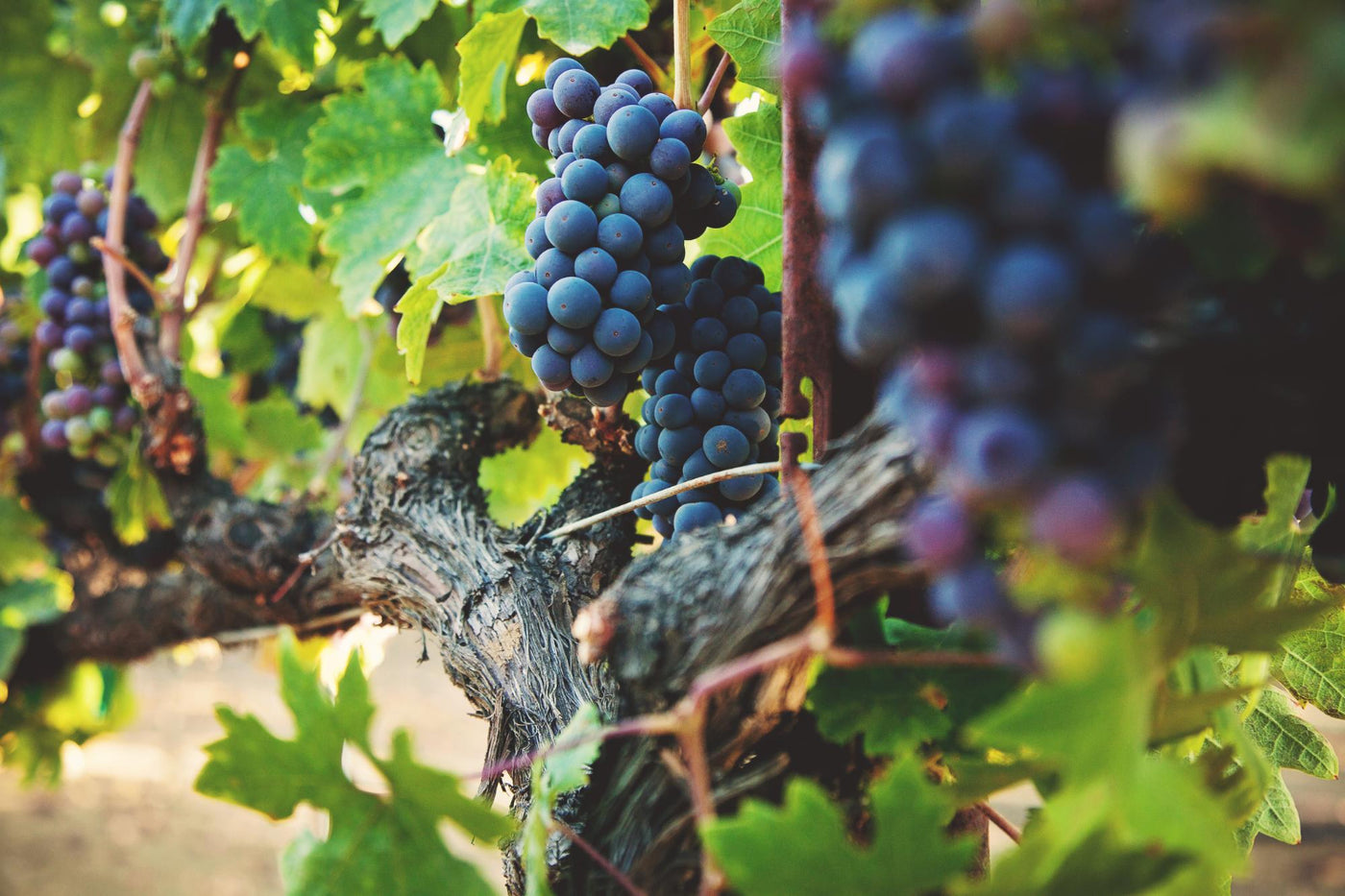
Cabernet Sauvignon is one of the world's most famous and widely cultivated red wine grape varieties. Originally from Bordeaux, it has become synonymous with long-lasting, deep, and characterful red wines. The grape is small, round, and very dark, with a thick, resistant skin. This characteristic makes it particularly resistant to diseases and ensures that the grapes retain their aroma and structure even in challenging climates.
The preferred climate for Cabernet Sauvignon ranges from temperate to warm. In cooler regions, it ripens more slowly and produces wines with prominent acidity and distinct blackcurrant aroma. In warm areas, the grapes develop into full-bodied, intense wines with ripe tannins and concentrated fruit. Cabernet Sauvignon is known for its typical aromas of blackcurrant, blackberry, dark cherry, and plum. Depending on the vinification and origin, notes of green bell pepper, mint, eucalyptus, tobacco, cedarwood, leather, and graphite are also present.
The grape variety has a high acidity, which gives the wines freshness and structure and makes them particularly age-worthy. The body is powerful to very full-bodied, supported by a distinctive, often youthfully strong tannin structure. It is precisely the tannins that have made Cabernet Sauvignon famous: they give the wines backbone, complexity, and enormous aging potential. The terroir significantly shapes the character. On gravelly and stony soils, as in Bordeaux, the wines show an elegant minerality and finesse, while on clayey or calcareous soils, they often appear even more concentrated and full-bodied.
Winemaking and aging
Cabernet Sauvignon is almost exclusively vinified dry. Vinification is traditionally carried out on the skins to fully extract the color, intense tannins, and complex aromas. After fermentation, high-quality wines often mature for many months, sometimes years, in small oak barrels (barriques), which gives the wines additional structure, spice, and a certain complexity. Storage in wood provides notes of vanilla, cedar, coffee, or smoke and harmonizes the often powerful tannins.
Cabernet Sauvignon is also world-famous as a component of blends, especially in Bordeaux, where it is combined with Merlot, Cabernet Franc, or Petit Verdot. In overseas regions, single-varietal wines are also found, which are often somewhat more opulent and fruit-driven.
The aging potential of Cabernet Sauvignon is legendary: top wines from Bordeaux, California, or Australia can easily be cellared for several decades, gaining complexity, finesse, and depth. Even less expensive versions usually benefit from one to two years of bottle aging.
Major Wine Regions
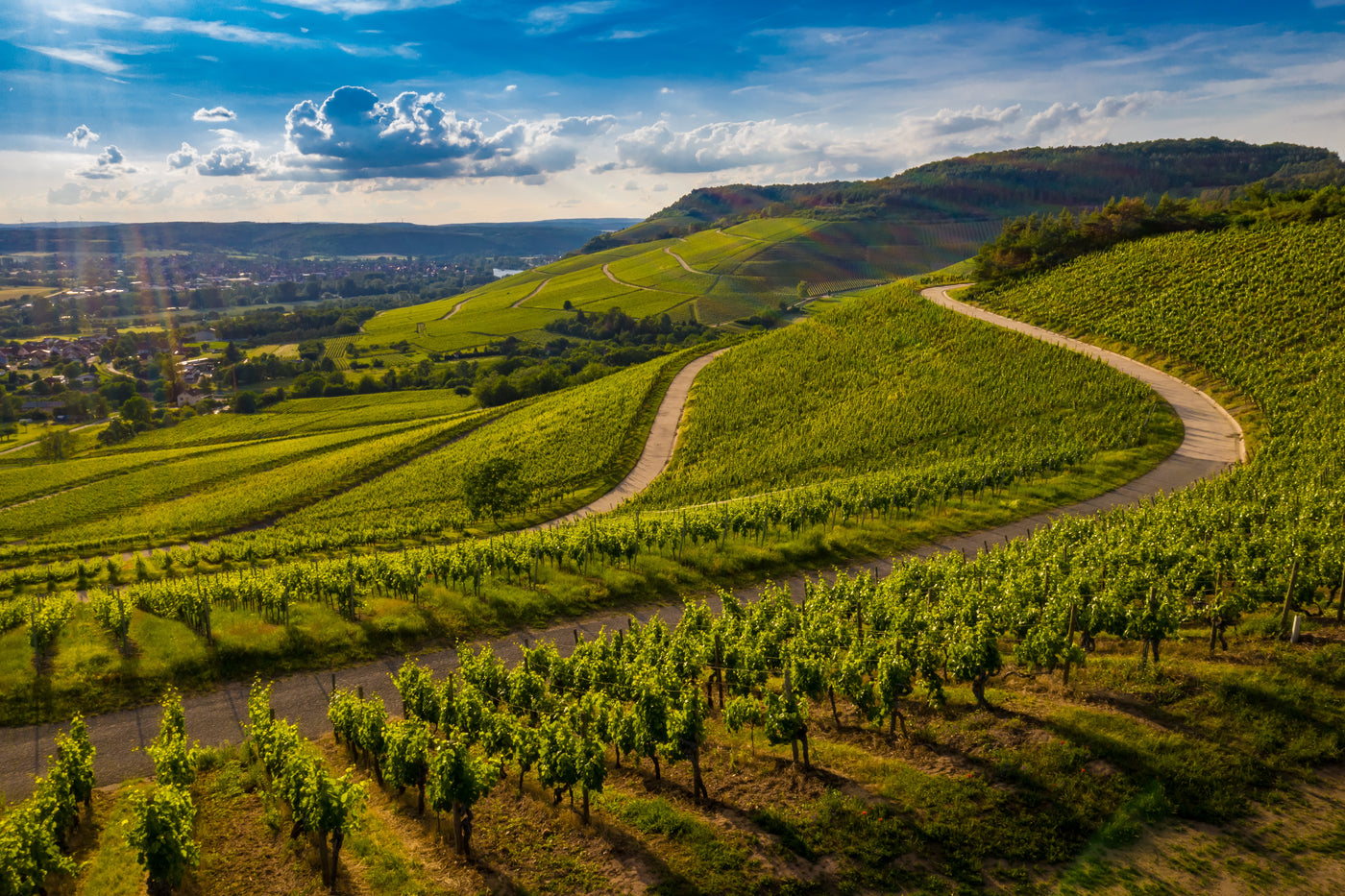
The heart of Cabernet Sauvignon production beats in Bordeaux, especially in the appellations Médoc, Pauillac, and Margaux. Here, some of the world's most famous and long-lived red wines are produced. In other regions, such as California (especially Napa Valley), Australia (Coonawarra, Margaret River), Chile (Maipo Valley, Colchagua), Argentina, South Africa (Stellenbosch), and Italy (Tuscany, Bolgheri), the grape variety has also earned an excellent reputation, producing very different styles depending on the climate and terroir.
In Bordeaux, elegance and structure are paramount, while in California and Australia, fruitiness, density, and a hint of exoticism often dominate. In Chile, Cabernet Sauvignon is characterized by great clarity and precision. The terroir contributes significantly to the character: gravelly soils lead to tight, elegant wines, while clayey sites can result in more body and softness.
History of the Grape Variety
Cabernet Sauvignon originated in 17th century France through a natural cross between Cabernet Franc and Sauvignon Blanc. Early on, it was valued in Bordeaux for its robustness, yield stability, and enormous potential for long-lasting, complex wines. With the emigration of French winemakers in the 19th century, Cabernet Sauvignon began its worldwide triumph. Today, it is represented in almost all major wine-growing countries and shapes the modern style of great red wines like hardly any other variety.
Over the centuries, Cabernet Sauvignon evolved from a component of classic Bordeaux cuvées to the international epitome of high-quality, age-worthy red wines. Its adaptability, aromatic diversity, and longevity make it the "Queen of Red Wines" and the benchmark for red wine enjoyment worldwide.
Enjoy an exquisite selection of wines from various regions


Your personal wine contact - individual and regional
Whether rare vintages, large-format bottles, or individual storage solutions – our team of experts will take the time to address your wishes. In person, by phone, or by email.
