

-

Lackner-Tinnacher Gamlitz Sauvignon Blanc 2025
17,00€0,75 l18,90€Unit price 22,67€ / lUnavailableAvailable in 2-3 business daysSold out -
 18,90€0,75 lUnit price /UnavailableAvailable in 2-3 business daysSold out
 -
 15,50€0,75 lUnit price /UnavailableAvailable in 2-3 business daysSold out
 -

Lackner-Tinnacher Ried Steinbach Sauvignon Blanc 2024
26,00€0,75 l28,90€Unit price 34,67€ / lUnavailableAvailable in 2-3 business daysSold out -

Lackner-Tinnacher Ried Flamberg Morillon 2023
36,80€0,75 l40,90€Unit price 49,07€ / lUnavailableAvailable in 2-3 business daysSold out -

HM Lang Riesling This Is Not A Love Song Steingutamphore 2018
51,00€0,75 lUnit price 68,00€ / lUnavailableAvailable in 2-3 business daysSold out -

HM Lang Riesling This Is Not A Love Song Holzfass 2018
51,00€0,75 lUnit price 68,00€ / lUnavailableAvailable in 2-3 business daysSold out -
 25,90€0,75 lUnit price 34,53€ / lUnavailableAvailable in 2-3 business daysSold out
 -
 18,90€0,75 lUnit price 25,20€ / lUnavailableAvailable in 2-3 business daysSold out
 -

KTCN Sabotage Sauvignon Blanc Alcohol-Free
13,90€0,75 lUnit price 18,53€ / lUnavailableAvailable in 2-3 business daysSold out -
 Sold out
F.X. Pichler Ried Burgstall Grüner Veltliner 2024
34,90€0,75 lUnit price 46,53€ / lUnavailableAvailable in 2-3 business daysSold out -

Blaufränkisch Ried Schwemmer Lutzmannsburg 2022
77,00€0,75 lUnit price 102,67€ / lUnavailableAvailable in 2-3 business daysSold out -

Tokaj Hidden Treasures Nr.1 Tokaj Furmint 2023
26,50€0,75 lUnit price 35,33€ / lUnavailableAvailable in 2-3 business daysSold out -

Lackner-Tinnacher Welschriesling 2025
16,90€0,75 lUnit price 22,53€ / lUnavailableAvailable in 2-3 business daysSold out -

Lackner-Tinnacher Ried Welles Sauvignon Blanc 2023
48,90€0,75 lUnit price 65,20€ / lUnavailableAvailable in 2-3 business daysSold out -
 13,90€0,75 lUnit price 18,53€ / lUnavailableAvailable in 2-3 business daysSold out
 -

Neumeister Ried Saziani Grauburgunder
45,90€0,75 lUnit price 61,20€ / lUnavailableAvailable in 2-3 business daysSold out -

Neumeister Ried Klausen Weissburgunder
26,90€0,75 lUnit price 35,87€ / lUnavailableAvailable in 2-3 business daysSold out -

Neumeister Ried Moarfeitl Sauvignon Blanc
51,90€0,75 lUnit price 69,20€ / lUnavailableAvailable in 2-3 business daysSold out -

Neumeister Straden Gelber Muskateller
16,90€0,75 lUnit price 22,53€ / lUnavailableAvailable in 2-3 business daysSold out -

Neumeister Sarmat Gemischter Satz
13,90€0,75 lUnit price 18,53€ / lUnavailableAvailable in 2-3 business daysSold out -

F.X. Pichler Kellerberg Riesling 2024
100,00€0,75 lUnit price 133,33€ / lUnavailableAvailable in 2-3 business daysSold out -

F.X. Pichler Ried Loibenberg Riesling 2024
64,00€0,75 lUnit price 85,33€ / lUnavailableAvailable in 2-3 business daysSold out -

F.X. Pichler Ried Burgstall Riesling 2024
34,90€0,75 lUnit price 46,53€ / lUnavailableAvailable in 2-3 business daysSold out -

F.X. Pichler Ried Liebenberg Grüner Veltliner 2024
72,00€0,75 lUnit price 96,00€ / lUnavailableAvailable in 2-3 business daysSold out -

F.X. Pichler Ried Loibenberg Grüner Veltliner 2024
64,00€0,75 lUnit price 85,33€ / lUnavailableAvailable in 2-3 business daysSold out -

F.X. Pichler Ried Klostersatz Grüner Veltliner 2024
27,90€0,75 lUnit price 37,20€ / lUnavailableAvailable in 2-3 business daysSold out -

Blaufränkisch Lutzmannsburg Alte Reben 2022
129,00€0,75 lUnit price /UnavailableAvailable in 2-3 business daysSold out -

Blaufränkisch Ried Maissner Lutzmannsburg 2022
98,00€0,75 lUnit price /UnavailableAvailable in 2-3 business daysSold out -
 45,50€0,75 lUnit price 60,67€ / lUnavailableAvailable in 2-3 business daysSold out
 -

Tokaj „H“ Hasznos Tokaj Furmint 2023
45,50€0,75 lUnit price 60,67€ / lUnavailableAvailable in 2-3 business daysSold out -

Blaufränkisch Ried Kirchberg 2022
75,90€0,75 lUnit price /UnavailableAvailable in 2-3 business daysSold out -

Grüner Veltliner Sankt Georgen 2023
76,90€0,75 lUnit price 102,53€ / lUnavailableAvailable in 2-3 business daysSold out


About the wine country
About the Wine Region of Austria
Austrian viticulture dates back to the 9th century BC. Archaeological findings confirm viticulture as early as the Bronze Age in the Traisen Valley and Weinviertel. The Romans, in particular, expanded the wine culture around Mautern and Döbling. Under Charlemagne, viticulture was promoted east of the then Frankish Empire. Later, the Cistercians shaped viticulture. Under the Habsburg Empire, Austria finally reached its largest extent as a wine-growing country.
The wine scandal of 1985, in particular, was in retrospect an advantage for Austrian winemakers. The strictest viticultural laws of the time laid the foundation for the enormous quality found today.
Austrian Wine
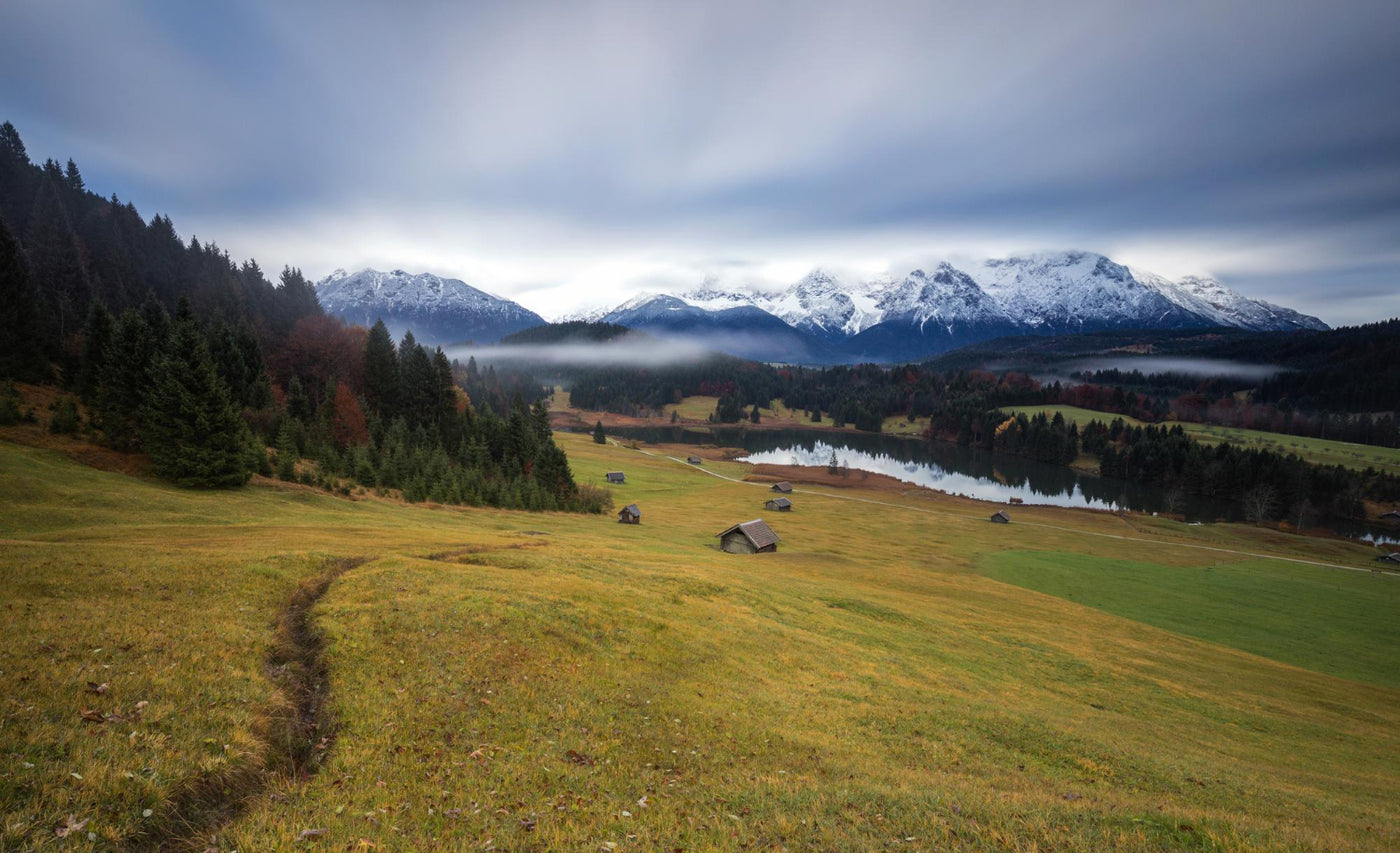
Between the foothills of the Alps and the Pannonian Plain, wines with precise fruit, lively acidity, and great depth are produced. Strict appellation systems and a highly artisanal winemaking scene have made Austria one of Europe's most exciting wine regions. White wines such as Grüner Veltliner and Riesling from Wachau, Kamptal, or Kremstal particularly impress with their tension and minerality, while in Burgenland, powerful red wines – above all Blaufränkisch – shine with depth and longevity. Today, the vineyard area covers around 45,000–48,000 hectares, divided among Lower Austria (Wachau, Kamptal, Kremstal, Traisental), Vienna, Burgenland (Leithaberg, Mittelburgenland, Eisenberg), and Styria (South Styria, West Styria, Vulkanland Styria). The most important grape varieties include: Grüner Veltliner, Riesling, Sauvignon Blanc, Pinot Blanc; Blaufränkisch, Zweigelt, and St. Laurent for reds.

Red Wines from Austria
Discover our diverse selection of French red wines.

White wines from Austria
Experience our refined selection of Austrian white wines.
Regions at a glance
Between the terraced primary rock and loess layers of the Wachau, firm Rieslings and spicy Grüner Veltliners emerge along the Danube. Classic style levels such as Federspiel and Smaragd stand for origin, ripeness and typicity here. In Kamptal and Kremstal, the cool-continental influence and the alternation of loess and crystalline rock create clear, aromatic Veltliners and mineral Rieslings with fine spice. While in Kamptal cool nights and primary rock soils make the wines appear particularly precise and spicy, in Kremstal elegant, accessible wines with fine herbal spice are found.
The Vienna wine region is a special case with its unique capital appellation. The famous Wiener Gemischter Satz, where several grape varieties from one vineyard are harvested and vinified together, delivers lively, complex white wines that prove excellent as food companions.
Burgenland, with its warmer, Pannonian-influenced climate, is primarily known for powerful red wines, above all Blaufränkisch from Leithaberg, Mittelburgenland and Eisenberg. Different soils – from limestone to slate – give these wines structure, depth and a cool spiciness. In addition, around Lake Neusiedl, botrytis favors the creation of elegant noble sweet specialties that enjoy great international prestige.
In Styria – especially in Southern, Volcanic and Western Styria – high altitudes with alpine influence and volcanic soils shape the landscape. Here, Sauvignon Blanc, Morillon (Chardonnay) and Gelber Muskateller show an aromatic precision and crystal-clear freshness. Especially in Western Styria, Schilcher from Blauer Wildbacher is a classic, characterful rosé wine that is considered a Styrian specialty.
Climate
Austria's climate is predominantly continental. Warm days promote ripe flavors, while cool nights preserve freshness and precision. In the Danube regions, Pannonian warmth meets cool air currents from the Waldviertel – ideal conditions for Grüner Veltliner and Riesling. Burgenland benefits from warmer Pannonian currents; Lake Neusiedl moderates temperature extremes and allows for structured red wines (Blaufränkisch, Zweigelt) as well as noble sweet specialties. Styria, on the other hand, is characterized by alpine influence – high altitudes, strong day-night temperature fluctuations, and volcanic soils shape taut, aromatically delicate white wines.
Terroir and Style
Austrian wine thrives on the interplay of soil, site, and winemaking craftsmanship. Loess provides richness and spice for Grüner Veltliner; primary rock gives Riesling precision and salty minerality; limestone and slate in the Leithaberg bestow Blaufränkisch with depth, cool graphite notes, and fine tannins; volcanic soils in Styria bring tension and aromatic clarity. Winemakers often work sustainably and artisanally, with selective harvesting, moderate use of wood, and a focus on origin.
Enjoy a curated selection of wines from various regions


Your Personal Wine Contact - Individual and Local
Whether rare vintages, large-format bottles, or individual storage solutions – our team of experts will take the time to discuss your needs. In person, by phone, or by email.
