

Characteristics and special features of the grape variety
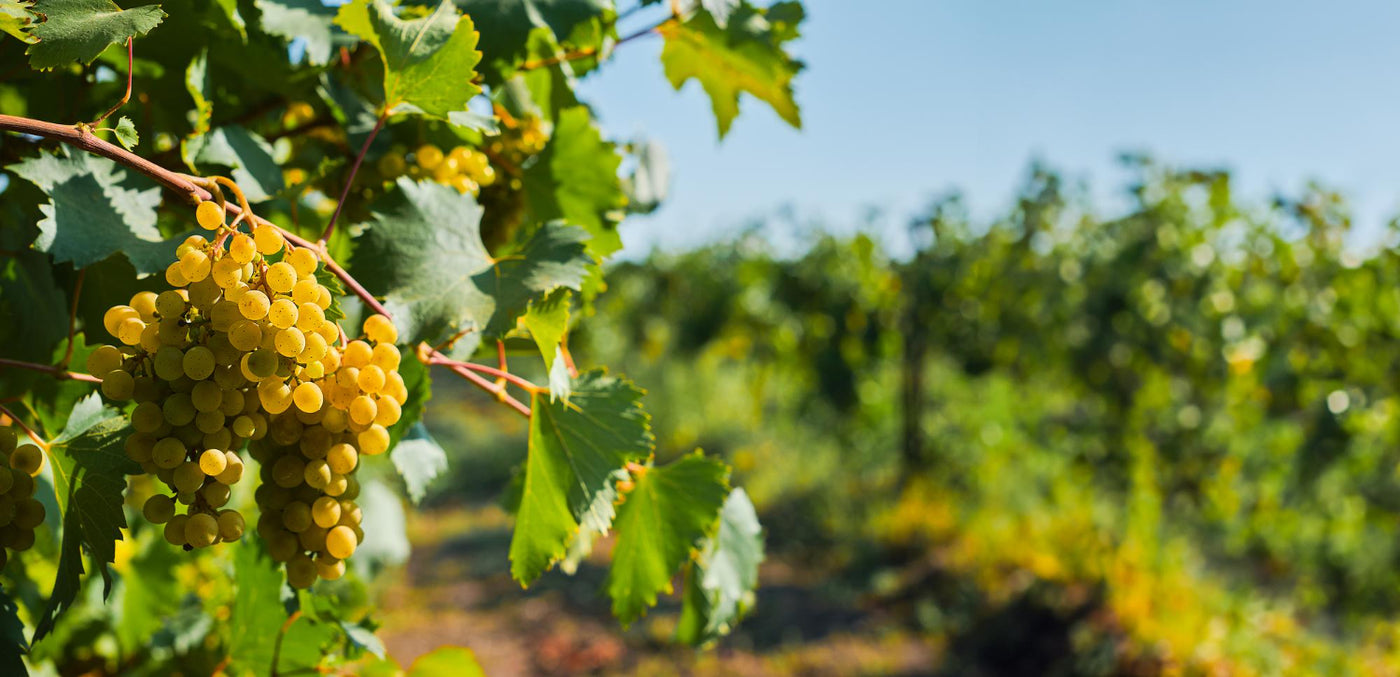
Riesling is a white grape variety with rather small, pale yellow to greenish grapes that have a comparatively thick skin. This thick skin protects the berries from rot and allows for a late harvest, which is particularly advantageous in cooler climates like Germany. The variety prefers moderate to cool wine-growing regions, as it preserves its typical acidic structure and freshness there. While Riesling can also thrive in warmer regions, it often loses finesse and freshness in favor of fuller, less exciting aromas.
The aromatic spectrum of Riesling is broad and ranges from green apples, citrus fruits, limes, and peaches to floral notes, and even mineral and sometimes petrol-like tones, which are particularly evident in aged wines. Particularly characteristic of Riesling is its racy, vibrant acidity, which gives the wine structure and a long aging potential. The body is usually light to medium-bodied, and due to its low susceptibility to oxidation, Riesling remains fresh and vibrant even after years.
The terroir, meaning the combination of soil, climate, and location, strongly influences Riesling. Thus, mineral, lean wines are produced on slate or granite soils, while loess and limestone soils often yield fuller, creamier variations.
Winemaking and maturation
Riesling is cultivated in an impressive variety of styles – from dry to off-dry and medium-dry to noble sweet top wines. The spectrum ranges from fresh Kabinett wines to highly concentrated Trockenbeerenauslesen and Icewines.
Traditionally, it is often aged in stainless steel tanks to preserve the varietal freshness and clear fruit aromas. This method emphasizes the vibrant acidity and precise aromatics that make Riesling so distinctive.
At the same time, aging in wooden barrels is no longer uncommon for high-quality Rieslings. Especially for full-bodied wines, wood adds additional structure, depth, and a fine spiciness without overshadowing the fruit. Many top winemakers consciously use large wooden barrels or barriques to create complex, age-worthy Rieslings with a harmonious balance between fruit, acidity, and subtle roasted aromas.
Riesling is one of the few white wine varieties with enormous aging potential. High-quality examples can easily be stored for several decades, developing complex, honeyed, and mineral notes. Noble sweet Rieslings, such as those produced in the Rheingau or on the Mosel, also age exceptionally well and gain depth and complexity over time.
Important wine-growing regions
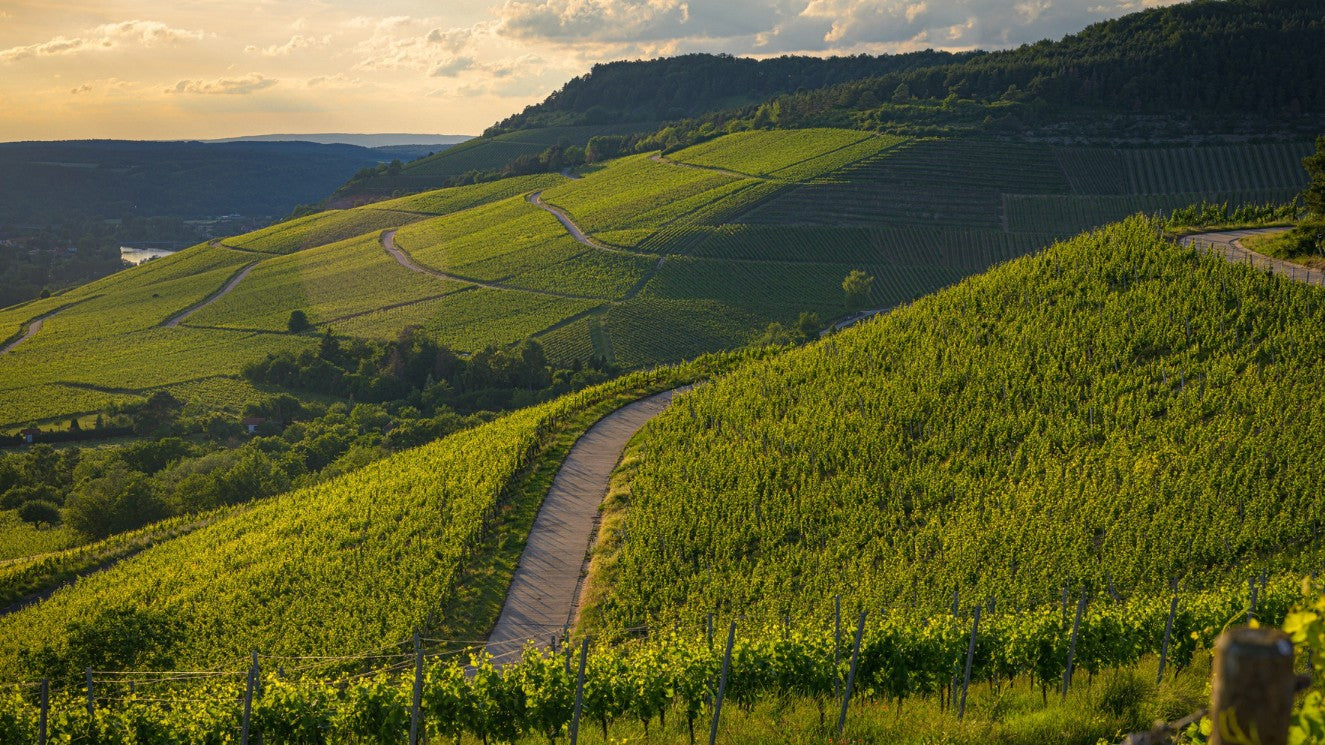
Germany is considered the country of origin and heartland of Riesling. Over 60 percent of the world's Riesling acreage is located in Germany, particularly along the Mosel, in the Rheingau, in the Pfalz, and along the Nahe. The cool climate and steep slate slopes offer ideal conditions for cultivation, producing elegant, delicately fruity, and mineral-driven wines. The Mosel is characterized by light, delicate wines with pronounced minerality, while the Pfalz and Rheingau often produce more powerful and spicier variations.
In Alsace (France), Riesling also has a long tradition, yielding particularly dry, firm wines with distinctive acidity and minerality there. In Austria, the variety is also represented, especially in the Wachau, where it produces very elegant, finely structured wines. Outside Europe, Riesling is enjoying increasing popularity – especially in the cooler regions of Australia (Clare and Eden Valley), New Zealand, and the US state of Washington, where distinctive, independent Rieslings with international recognition are being produced.
History of the grape variety
The origins of Riesling can be traced back to the 15th century, with the first mentions found in the Rheingau in 1435. Numerous stories surround the origin of the varietal to this day, but Germany is considered its motherland. Over the centuries, Riesling became the epitome of German white wine and significantly shaped the international reputation of German wine culture. In the 19th century, the best German Rieslings were more expensive than renowned Bordeaux wines and were served at European royal courts.
In the 20th century, Riesling experienced highs and lows, particularly due to the mass production of simple wines. In recent decades, however, winemakers have focused again on quality and terroir, leading to a renaissance of the grape variety. Today, Riesling is one of the most exciting and versatile white wines worldwide, captivating wine lovers with its complexity, freshness, and enormous aging potential.
Enjoy a curated selection of wines from different regions


Your personal wine contact – individual and regional
Whether rare vintages, large-format bottles, or individual storage solutions – our expert team takes the time to understand your wishes. Personally, by phone, or by email.
