

Über das Weinland
Geschichte von österreichischem Wein
Der österreichische Weinbau geht bis ins 9. Jahrhundert v. Chr. zurück. Archäologische Funde bestätigen Weinbau bereits in der Bronzezeit im Traisental und im Weinviertel. Besonders die Römer bauten die Weinkultur rund um Mautern und Döbling aus. Unter Karl dem Großen wurde der Weinbau östlich des damaligen Frankenreichs gefördert. Später prägten die Zisterzienser den Weinbau. Im Kaiserreich der Habsburger erreichte Österreich schließlich seine größte Ausdehnung als Weinbauland.
Besonders der Weinskandal von 1985 war rückblickend ein Vorteil für die österreichischen Winzer. Durch die strengsten Weinbaugesetze der damaligen Zeit wurde der Grundstein für die enorme Qualität, die man heute vorfindet, gelegt.
Österreichischer Wein
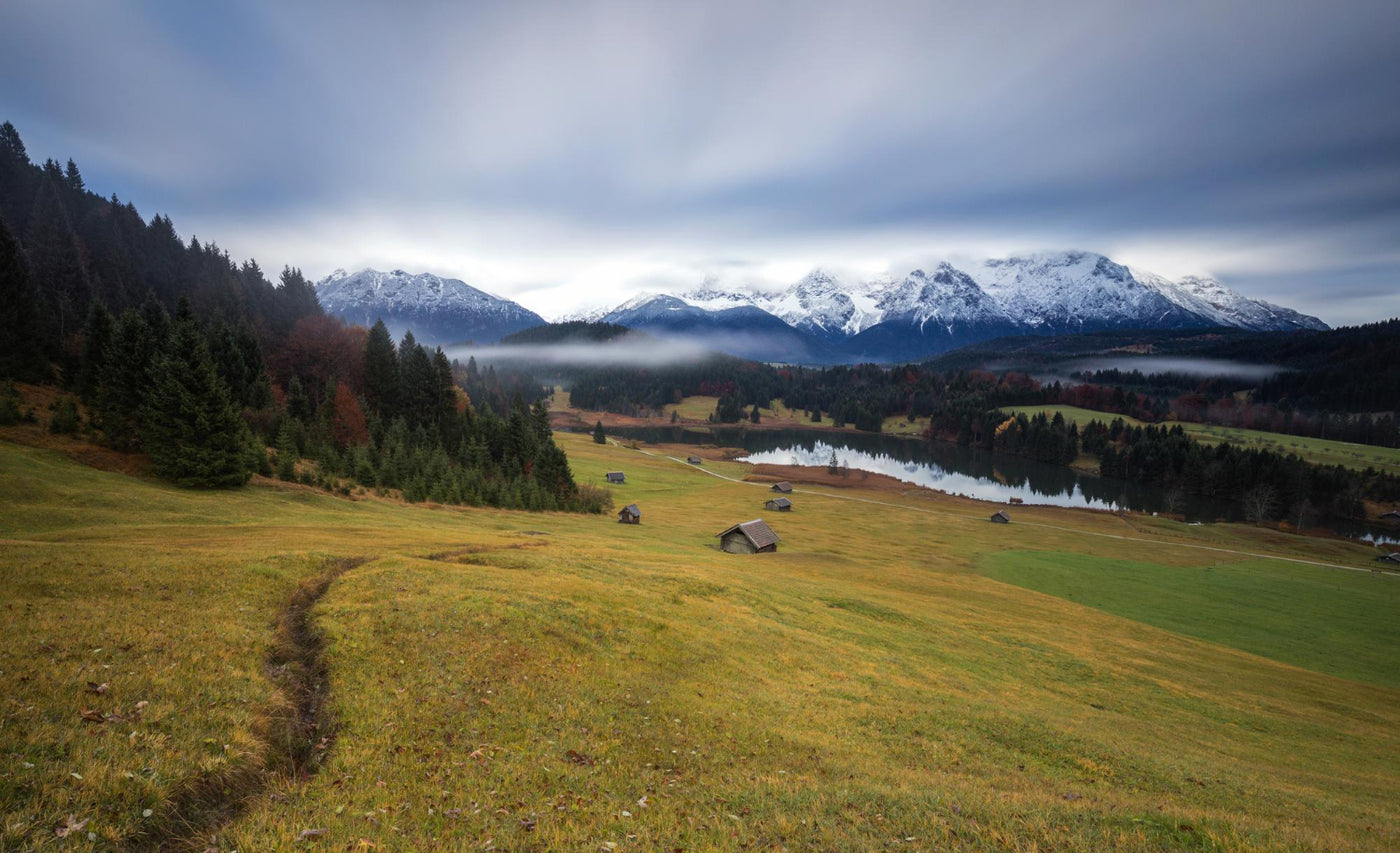
Zwischen Alpenausläufern und pannonischer Tiefebene entstehen Weine mit präziser Frucht, lebendiger Säure und viel Tiefgang. Strenge Herkunftssysteme und eine stark handwerklich geprägte Winzerszene haben Österreich zu einer der spannendsten Weinadressen Europas gemacht. Besonders Weißweine wie Grüner Veltliner und Riesling aus Wachau, Kamptal oder Kremstal begeistern mit Spannung und Mineralität, während im Burgenland kraftvolle Rotweine – allen voran Blaufränkisch – mit Tiefe und Langlebigkeit glänzen. Die Rebfläche beläuft sich heute auf rund 45.000–48.000 Hektar aufgeteilt auf Niederösterreich (Wachau, Kamptal, Kremstal, Traisental), Wien, Burgenland (Leithaberg, Mittelburgenland, Eisenberg), Steiermark (Süd-, West-, Vulkanland) zu den wichtigsten Rebsorten zählen: Grüner Veltliner, Riesling, Sauvignon Blanc, Weißburgunder; Blaufränkisch, Zweigelt und St. Laurent bei den Roten.

Rotweine aus Österreich
Entdecken Sie unsere vielfältige Auswahl französischer Rotweine.

Weißweine aus Österreich
Erleben Sie unsere filigrane Auswahl österreichischer Weißweine.
Regionen im Überblick
Zwischen den terrassierten Urgesteins- und Lösslagen der Wachau entstehen entlang der Donau straffe Rieslinge und würzige Grüne Veltliner. Klassische Stilstufen wie Federspiel und Smaragd stehen hier für Herkunft, Reife und Typizität. Im Kamptal und Kremstal sorgen der kühl-kontinentale Einfluss sowie der Wechsel aus Löss und kristallinem Gestein für klare, duftige Veltliner und mineralische Rieslinge mit feiner Würze. Während im Kamptal kühle Nächte und Urgesteinsböden die Weine besonders präzise und würzig erscheinen lassen, zeigen sich im Kremstal elegante, zugängliche Weine mit feiner Kräuterwürze.
Die Weinregion Wien stellt mit ihrer einzigartigen Hauptstadt-Appellation eine Besonderheit dar. Der berühmte Wiener Gemischte Satz, bei dem mehrere Rebsorten aus einem Weingarten gemeinsam gelesen und vinifiziert werden, liefert lebendige, vielschichtige Weißweine, die sich hervorragend als speisenbegleitend erweisen.
Das Burgenland mit seinem wärmeren, pannonisch geprägten Klima steht vor allem für kraftvolle Rotweine, allen voran Blaufränkisch aus Leithaberg, Mittelburgenland und Eisenberg. Unterschiedliche Böden – von Kalk bis Schiefer – verleihen diesen Weinen Struktur, Tiefe und eine kühle Würze. Zudem entstehen rund um den Neusiedlersee durch die Botrytis-Begünstigung elegante edelsüße Spezialitäten, die international großes Ansehen genießen.
In der Steiermark – insbesondere in der Süd-, Vulkan- und Weststeiermark – prägen Höhenlagen mit alpinem Einfluss sowie vulkanische Böden das Bild. Hier zeigen Sauvignon Blanc, Morillon (Chardonnay) und Gelber Muskateller eine duftige Präzision und glasklare Frische. Besonders in der Weststeiermark entsteht mit dem Schilcher aus Blauem Wildbacher ein klassischer, charaktervoller Roséwein, der als steirische Spezialität gilt.
Klima
Österreichs Klima ist überwiegend kontinental. Warme Tage fördern reife Aromen, kühle Nächte bewahren Frische und Präzision. In den Donaugebieten treffen pannonische Wärme und kühle Luftzüge aus dem Waldviertel zusammen – beste Voraussetzungen für Grüner Veltliner und Riesling. Das Burgenland profitiert von wärmeren pannonischen Strömungen; der Neusiedlersee mildert Temperaturspitzen und ermöglicht sowohl strukturierte Rotweine (Blaufränkisch, Zweigelt) als auch edelsüße Spezialitäten. Die Steiermark wiederum ist von alpinem Einfluss geprägt – Höhenlagen, starke Tag-Nacht-Amplituden und vulkanische Böden formen straffe, aromatisch feingliedrige Weißweine.
Terroir und Stil
Österreichischer Wein lebt vom Zusammenspiel aus Boden, Lage und Winzer-Handwerk. Löss liefert Fülle und Würze für Grüner Veltliner; Urgestein gibt Riesling Präzision und salzige Mineralik; Kalk und Schiefer im Leithagebirge schenken Blaufränkisch Tiefe, kühle Graphitnoten und feines Tannin; vulkanische Böden in der Steiermark bringen Spannung und aromatische Klarheit. Winzerinnen und Winzer arbeiten oft nachhaltig und handwerklich, mit selektiver Lese, moderatem Einsatz von Holz und Fokus auf Herkunft.
Genießen Sie eine erlesene Auswahl an Weinen aus verschiedenen Regionen


Ihr persönlicher Weinkontakt - individuell und regional
Ob seltene Jahrgänge, großformatige Flaschen oder individuelle Lagerlösungen – unser Expertenteam nimmt sich Zeit für Ihre Wünsche. Persönlich, telefonisch oder per E-Mail.
