

Domaine Benjamin Leroux
Chardonnay & Pinot Noir from the heart of Burgundy
Das Barossa Valley gehört zu den prägenden Weinregionen Australiens. Rund 70 Kilometer nordöstlich von Adelaide entstehen hier kraftvolle, zugleich zunehmend präzise Rotweine, allen voran aus Shiraz, der australischen Bezeichnung für Syrah. Kaum ein anderes Anbaugebiet hat das Bild von Australischem Wein international so stark geprägt. Doch Barossa steht nicht nur für dunkle Frucht und Fülle. Alte Reben, unterschiedliche Höhenlagen und eine neue Generation von Winzern sorgen heute für eine große stilistische Vielfalt.
History of the winery
Benjamin Leroux was born in Beaune in 1975 – not into a winemaking family, but into a household that ran a flower shop in the heart of the wine town. Even so, he chose wine while still a teenager: at the age of 15 he enrolled at the renowned Lycée Viticole in Beaune – in 1990, an unusual choice for someone without a winemaking background or land of his own.
His training took him into the world of fine wine: an internship with Pascal Marchand in Burgundy, a harvest at Domaine Drouhin in Oregon, a period at Cos d'Estournel in Bordeaux and a position at Louis Jadot in Beaune. His decisive step came at just 24 years old: in 1999 he became technical director and general manager of Domaine du Comte Armand in Pommard – one of Burgundy's most highly regarded estates.
For fifteen vintages, Leroux helped shape the profile of Comte Armand. In 2007, he eventually founded his own domaine and négociant business in Beaune – initially without vineyards of his own, but with a clear vision. He acquired his first vineyard in 2009 – fittingly, 0.16 hectares in the Grand Cru Bâtard-Montrachet. In 2013, a further 3.5 hectares in Meursault followed, and since then the domaine has grown to around 8 hectares.
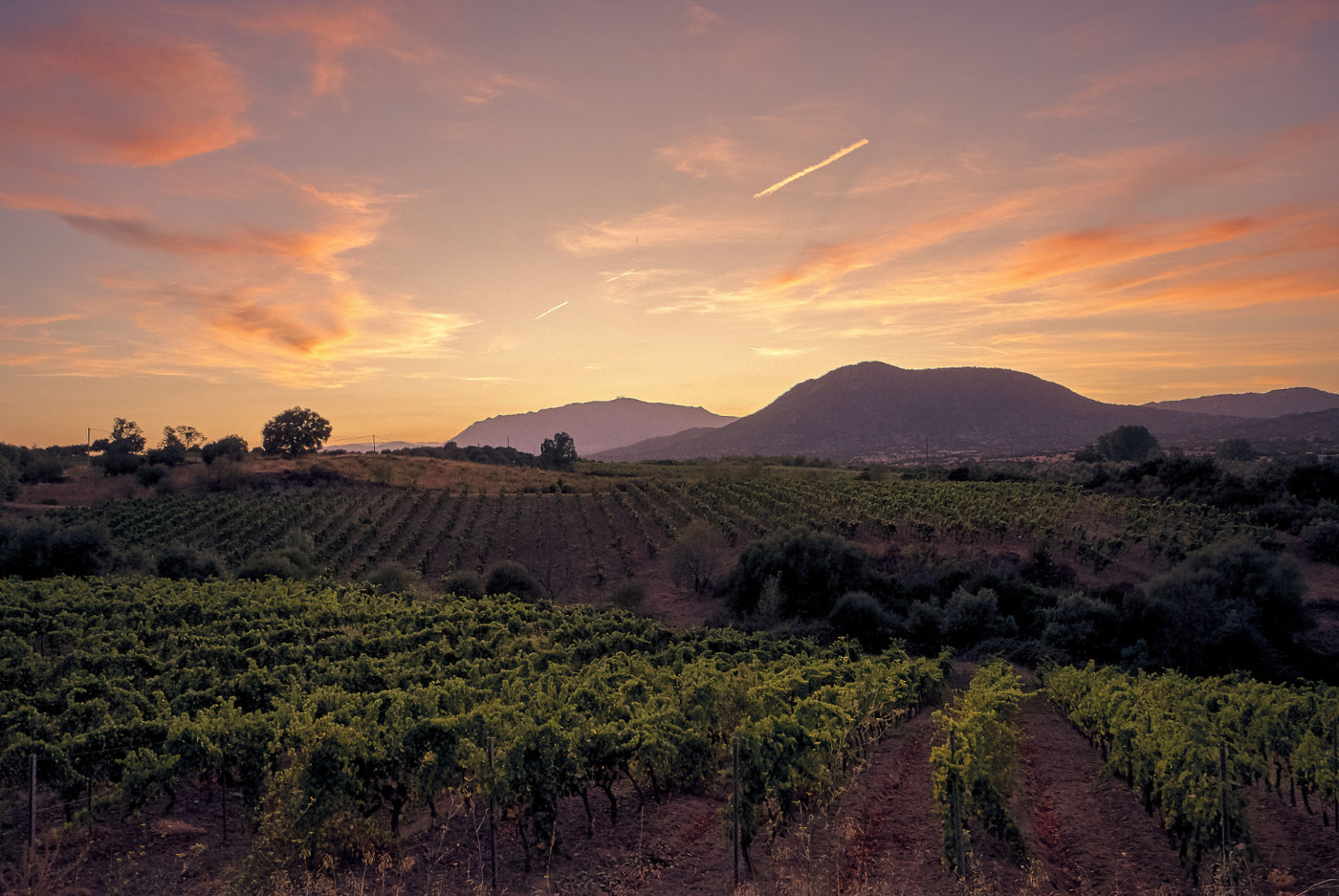
Philosophy of the winery
Benjamin Leroux follows a philosophy of deliberate minimalism, deep respect for terroir and a consistent ecological approach. His domaine vineyards are farmed organically and biodynamically, with official organic certification obtained in 2016. Purchased grapes come exclusively from growers using sustainable, organic or biodynamic farming methods.
In the cellar, Leroux relies on spontaneous fermentation with wild yeasts, low SO₂ levels, minimal fining and filtration, and a differentiated ageing approach using barrels, foudres, amphorae and glass “Wine Globes”. The proportion of new oak is limited to a maximum of 30%. Renowned critic Allen Meadows described him as “one of, if not the most talented young winemaker in all of Burgundy.”
Terroir and grape varieties
The heart of Domaine Benjamin Leroux lies on the Côte de Beaune in Burgundy, France. The vineyards span a broad range of terroirs – from the limestone-rich slopes of Meursault and the marly soils of Chassagne-Montrachet to the complex subsoils around Pommard and Volnay.
The Côte de Beaune is renowned worldwide for its great Chardonnay white wines, including Grands Crus such as Corton-Charlemagne and Bâtard-Montrachet, among the most sought-after French wines in the world. At the same time, it produces outstanding Pinot Noir red wines, notably from Pommard and Volnay. The négociant business extends the range into the Côte de Nuits – to Gevrey-Chambertin, Chambolle-Musigny, Vosne-Romanée and Nuits-Saint-Georges. The three grape varieties grown are Chardonnay, Pinot Noir and Aligoté.

Kurartierte Auswahl
Vier Penfolds-Weine
Bin 28 Kalimna Shiraz
Klassiker aus Südaustralien, reif und strukturiert
Grange BIN 95
berühmtester Wein Australiens, aus komplexen Shiraz-Trauben
Konunga Hill Chardonnay 2023
lebendige Säure, elegante Cremigkeit
St. Henri Shiraz
unverwechselbarer Charakter, vielschichtig und opulent
Weißweine aus Barossa und Eden Valley
Obwohl Rotwein das Bild der Region bestimmt, besitzt Barossa ebenso eine lange Weißweintradition. Sémillon bringt hier strukturierte Weine mit Zitrusfrucht, Kräutern und feiner Textur hervor. Alte Reben können komplexe und langlebige Weine liefern. Chardonnay zeigt je nach Ausbau gelbe Frucht, Cremigkeit und eine ausgewogene Frische.
Im höher gelegenen Eden Valley herrscht ein deutlich kühleres Klima. Riesling entwickelt dort Aromen von Limette, Zitruszeste und weißem Pfirsich, verbunden mit einer klaren Säure und oft mineralischer Länge. Diese Weine bilden den präzisen Gegenpol zum kräftigen Shiraz des Talbodens.
Geschichte und Herkunft
Die Entwicklung Barossas ist eng mit europäischen Einwanderern verbunden. Ab den 1840er-Jahren ließen sich vor allem schlesische, preußische und mecklenburgische Siedler in der Region nieder. Ortsnamen wie Bethany, Krondorf oder Hoffnungsthal erinnern bis heute an diese Herkunft.
Johann Grampp pflanzte 1847 Reben am Jacob’s Creek, Joseph Seppelt gründete Seppeltsfield, Johann Christian Henschke legte den Grundstein für Henschke Wines und Samuel Smith für Yalumba. Diese frühen Betriebe prägen Australischen Wein zum Teil bis heute.

Terroir zwischen Talboden und Höhenlagen
Die Böden im Barossa Valley wechseln zwischen rotem und braunem Lehm, eisenhaltigem Ton, Sand, Mergel und steinigen Einschlüssen. Im wärmeren Norden entstehen häufig besonders dichte, dunkelfruchtige Shiraz-Weine. Die zentralen Lagen zeigen eine große Vielfalt, während sandige Böden rund um Vine Vale oft feinere, floralere Weine hervorbringen.
Das Eden Valley liegt deutlich höher und besitzt Böden aus Quarz, Eisenstein, Schiefer, Lehm und Sand. Kühlere Nächte bewahren dort Säure und aromatische Klarheit. Gerade diese Unterschiede erklären, warum Barossa trotz seines klaren Profils keine einheitliche Stilistik besitzt.
Barossa Valley entdecken
Die Böden im Barossa Valley wechseln zwischen rotem und braunem Lehm, eisenhaltigem Ton, Sand, Mergel und steinigen Einschlüssen. Im wärmeren Norden entstehen häufig besonders dichte, dunkelfruchtige Shiraz-Weine. Die zentralen Lagen zeigen eine große Vielfalt, während sandige Böden rund um Vine Vale oft feinere, floralere Weine hervorbringen.
Das Eden Valley liegt deutlich höher und besitzt Böden aus Quarz, Eisenstein, Schiefer, Lehm und Sand. Kühlere Nächte bewahren dort Säure und aromatische Klarheit. Gerade diese Unterschiede erklären, warum Barossa trotz seines klaren Profils keine einheitliche Stilistik besitzt.
Enjoy an exquisite selection of wines from different regions


Your personal wine contact – individual and regional
Whether rare vintages, large-format bottles or individual storage solutions – our expert team takes the time to understand your needs. In person, by phone or by email.
