

About the grape variety
Characteristics and Peculiarities of the Chardonnay Grape Variety
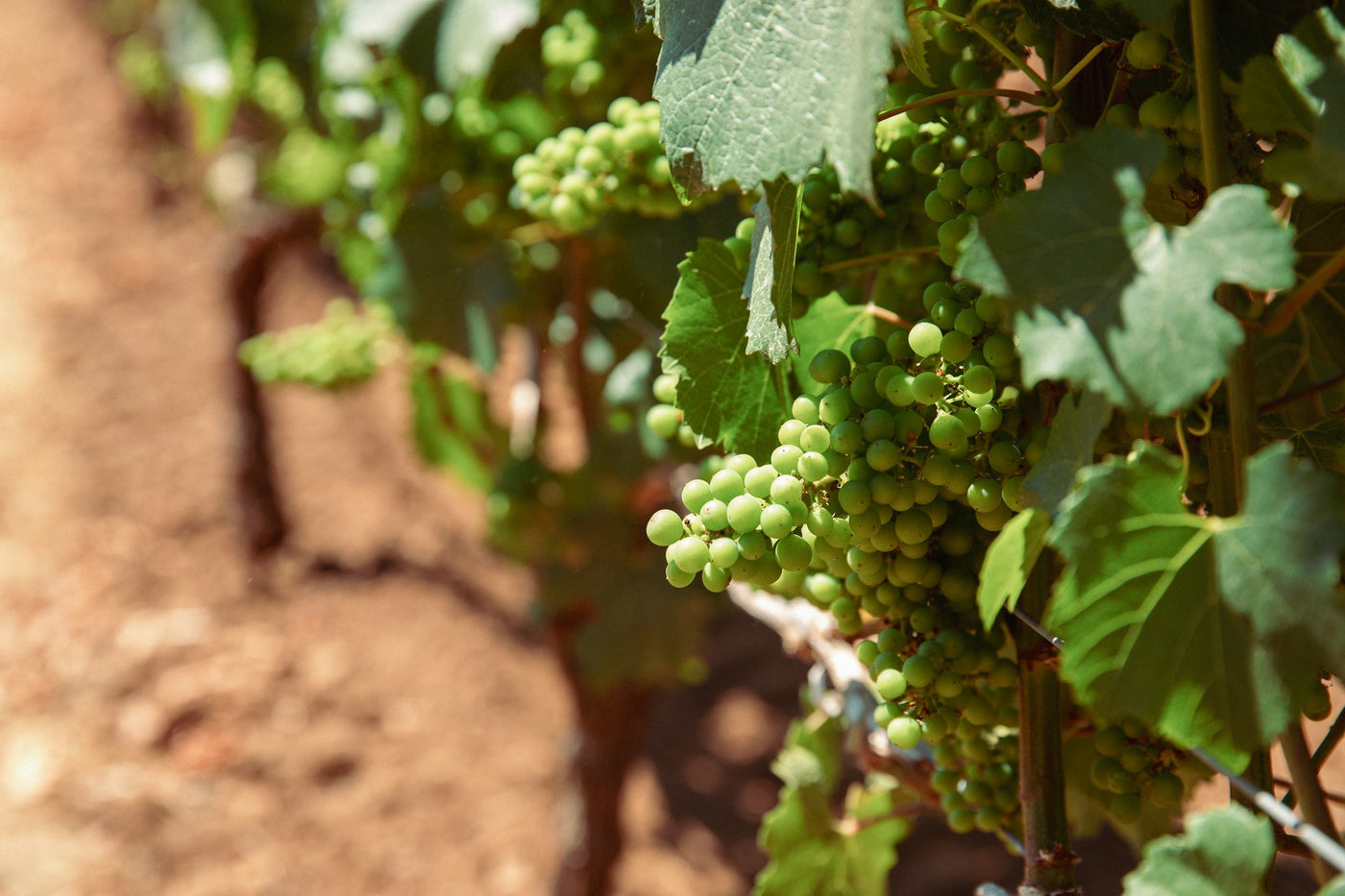
Chardonnay is a light-skinned grape variety with small to medium-sized berries and a thin, delicate skin. While this characteristic makes the grape susceptible to diseases and weather conditions, it also allows for the production of particularly refined and nuanced wines. Chardonnay thrives in a wide range of climates – from cool regions like French Burgundy or German growing areas to warm regions like California, Australia, or South Africa. This adaptability is one reason for the grape variety's worldwide success.
The aromatic spectrum of Chardonnay is impressively broad and is significantly influenced by terroir and winemaking. In cool climates, Chardonnay typically presents with fresh acidity and aromas of green apple, citrus fruits, pear, and sometimes floral notes. In warmer regions, however, exotic fruit notes such as pineapple, mango, peach, or melon dominate. Buttery, nutty, and vanilla tones are also typical Chardonnay aromas, though these usually arise from aging in oak barrels.
Chardonnay's acidity level is medium to high and contributes to the freshness and longevity of the wines. The body ranges from lean and elegant to full-bodied and creamy, which is particularly evident in Chardonnays aged in barriques. The grape variety is known for reflecting the terroir – meaning the respective soil and climate conditions – particularly well. Thus, Chablis (France) produces mineral, almost steely wines, while Chardonnays from overseas are often more opulent and fruit-driven.
Winemaking and aging
Chardonnay is very versatile and can be produced as a dry, semi-dry, or sweet wine. However, dry Chardonnays are the most common. In cool growing regions, Chardonnay is usually fermented in stainless steel tanks to preserve its freshness and fruitiness. These wines are light, clear, and very approachable, but they lose their expressiveness after a few years.
A significant influence on the style of a Chardonnay is barrel aging (barrique). Aging in wood gives the wine additional aromas of vanilla, toast, butter, and nuts. High-quality Chardonnays often also undergo malolactic fermentation, in which sharp malic acid is converted into mild lactic acid. This gives the wine a pleasantly creamy and buttery texture. Particularly great Chardonnays, for example from Burgundy or California, thus have high aging potential and can be stored in the cellar for many years, gaining in complexity.
Chardonnay is used not only as a classic white wine but also as a base wine for high-quality sparkling wines such as Champagne or Crémant.
Major Wine Regions
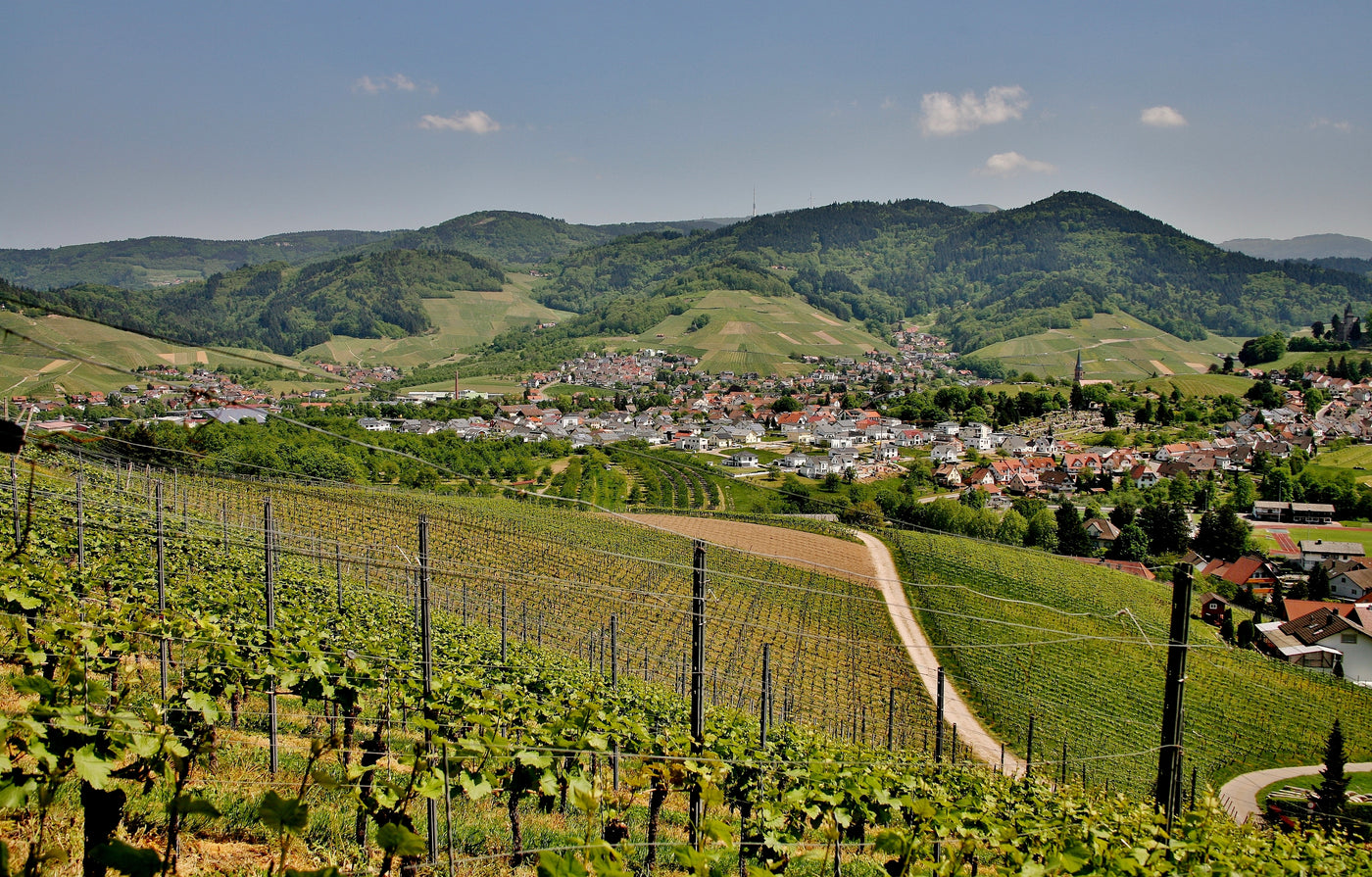
Today, Chardonnay is present in almost all relevant wine-growing countries. Its origins lie in French Burgundy, especially in the regions of Chablis, Côte de Beaune (Meursault, Puligny-Montrachet, Chassagne-Montrachet), and in Champagne, where Chardonnay is considered the most important white grape variety. The cool chalk and limestone soils there give Chardonnay an unparalleled minerality, elegance, and longevity.
Outside of France, Chardonnay has established itself primarily in California (Napa Valley, Sonoma), Australia (Yarra Valley, Margaret River), New Zealand (Marlborough), South Africa, and Chile. In these regions, fuller, tropically fruity Chardonnays with significantly more richness and oak notes are often produced. Germany and Austria are also increasingly cultivating Chardonnay, mostly under the name "Morillon" (especially in Styria).
The respective growing region contributes significantly to the style of the wine. While Chablis is famous for its cool, steely style and high minerality, Californian Chardonnays often offer a voluminous, buttery wine style with plenty of ripe fruit and pronounced toasted aromas. Australian Chardonnays are often fresh and fruity, while South African representatives offer an interesting blend of freshness and exotic fruit.
History of the Grape Variety
The history of Chardonnay dates back a long way and is closely linked to the development of viticulture in Burgundy. The grape variety is thought to have originated from a natural cross between Gouais Blanc and Pinot Noir and was first mentioned in writing in the 16th century. The name "Chardonnay" is derived from the village of the same name in the French Mâconnais region.
The grape variety began its worldwide triumph in the 20th century, when winemakers from the New World – especially in California, Australia and New Zealand – recognized Chardonnay's potential. Thanks to its adaptability and the possibility of producing a wide variety of wine styles, Chardonnay became one of the most internationally successful grape varieties. In the 1980s and 1990s, the variety experienced a real boom, which also led to a certain "Chardonnay fatigue." Today, many winemakers are increasingly focusing on terroir-driven and elegant wines that emphasize the origin and character of the grape.
Chardonnay today stands for diversity, quality and innovation in the white wine sector and remains one of the most fascinating and versatile grape varieties in the world.
Enjoy a refined selection of wines from various regions


Your personal wine contact - individual and regional
Whether rare vintages, large-format bottles or individual storage solutions – our team of experts will take the time to discuss your requirements. In person, by phone or by email.
