

No products found
About the wine region
Wines with character from Toro
Toro in Castile and León is characterized by a continental climate with hot days, cool nights, and barren sandy, gravelly, and clay soils. The indigenous grape variety Tinta de Toro – a Tempranillo variant – shapes the region's style: dense, dark-fruited red wines with ripe tannins, spicy notes, and remarkable freshness despite high ripeness. Old bush vines, often ungrafted, ensure low yields and concentrated musts. In addition to single-varietal Tinta de Toro wines, blends with Garnacha are produced; more rarely, Mazuelo or Syrah are added. White wines – mostly from Verdejo or Malvasía – are a niche and present themselves as dry, herbal, and clear. Wineries in Toro work parcel-by-parcel, focusing on gentle extraction and moderate oak use to balance structure and drinkability. Those seeking Toro wine will find a precise terroir signature, from fruit-driven, approachable styles to powerful single-vineyard wines: sun, depth, and cool nocturnal tension are reflected in the glass.
Grape Varieties in Toro – Tempranillo at its Core, often Envisioned as a Cuvée
In Toro, Tinta de Toro, the regional Tempranillo variant, dominates. It is sometimes supplemented by Garnacha, and occasionally by Mazuelo (Carignan) or Syrah. The spectrum ranges from powerful, single-varietal red wines to complex cuvées. White wines play a minor role and are mostly made from Verdejo and Malvasía – fresh, clear, and with a delicate herbal note.

Red wines from Toro
Toro red wines from Castilla y León impress with intense fruit, ripe tannins, and a fresh structure – powerful, long-lived wines with an unmistakable terroir.
Toro red wines are known for their density, structure, and the influence of old vines. Typical aromas include dark cherry, blackberry, and plum, complemented by notes such as licorice, tobacco, and dried herbs. The present but ripe tannins provide power and longevity, while the usually robust alcohol content is balanced by a fresh, clear character. Old, bush-trained vines on sandy-gravelly, sparse soils deliver high concentration in the grapes. The cool night air of the Castilian plateau also preserves freshness and gives Toro red wines their unmistakable tension and precision – ideal for lovers of characterful, long-lasting Spanish red wines.
Selected Red Wines from Toro
View allAbout the Toro wine region – Castile's character in its purest form
Toro is located in the west of the Spanish plateau of Castile and León, along the Duero River, downstream from Ribera del Duero towards Portugal. The DO Toro includes vineyards around towns such as Toro, Morales de Toro, and San Román. Already in the Middle Ages, the powerful red wines from Toro were valued for their stability and were frequently traded and shipped. After a quieter phase, the region experienced a qualitative upswing from the 1990s onwards: old vineyards were re-evaluated, selective harvesting and modern cellar technology were introduced. Today, Toro is one of the most prominent Spanish designations of origin and stands for concentrated, clearly contoured wines with strong regional character. Among the top wineries in the region is Teso La Monja, which stands for outstanding quality and innovative wine styles. For connoisseurs, this means: red wines from Toro combine the sun-warmed ripeness of the Castilian highlands with a surprisingly lively acidity structure – ideal with hearty stews or grilled Iberico.
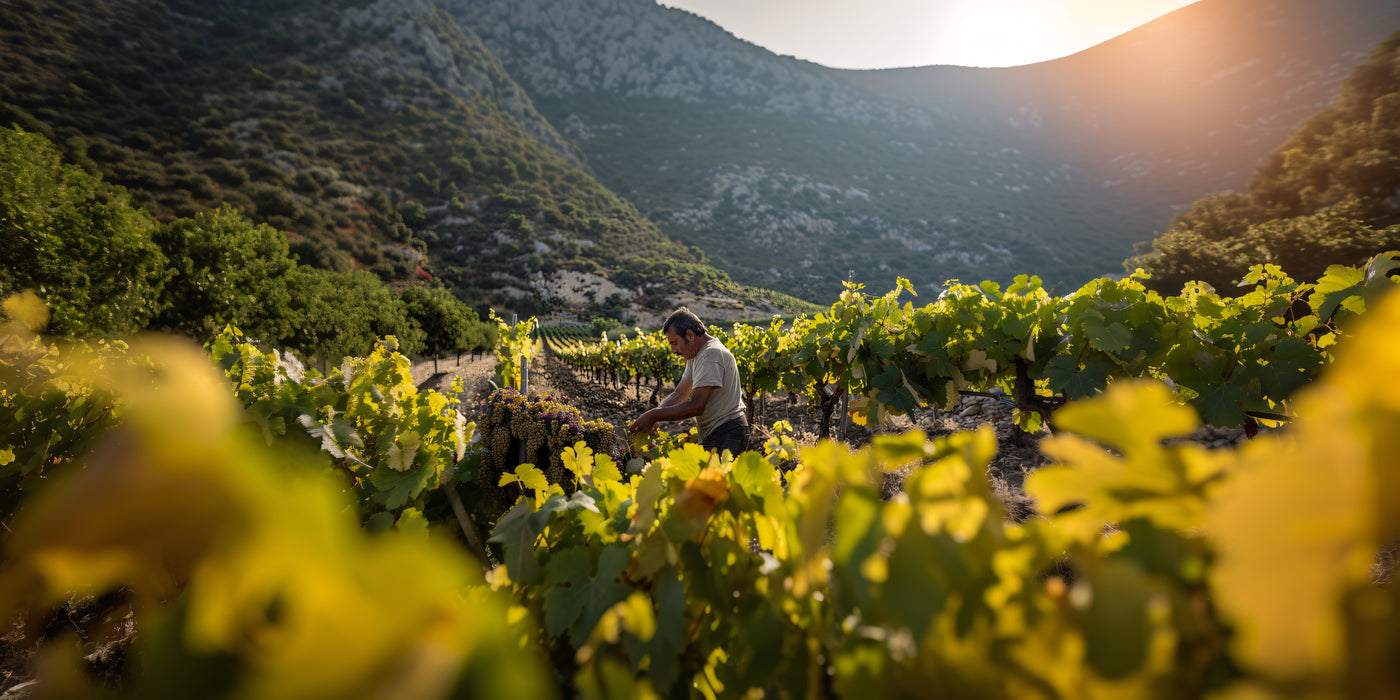
Terroir in Toro – high plateau, sun, wide temperature range
The terroir in Toro is shaped by the high plateau of Castile and León, with abundant sunshine and significant temperature fluctuations. The continental high-altitude climate ensures hot, sunny summers and cold winters, while pronounced day-night temperature swings during the ripening period preserve the grapes' aromas and acidity. The vineyards are mostly located at an altitude of 620 to 750 meters, which slows down ripening and provides additional balance. The soils primarily consist of sandy and sandy-gravelly topsoils, partly with clay and lime content, often underlain by barren, stony substrates with good drainage. Due to low nutrient availability, yields are low, which increases the concentration of the grapes. The vines are often grown as old bush vines (Vaso), frequently even ungrafted on sandy plots – a key factor for the typical density and texture of red wines from Toro.
Wineries in Toro – Origin and Signature
In Spain, wineries are known as Bodegas. The name of the Bodega is central to its profile and reliability, as many wines are primarily marketed through the Bodega. Prominent examples include Bodega Teso La Monja and Bodega Numanthia, whose red wines have significantly shaped the intense yet structured Toro style. Architecturally, Bodegas range from traditional cellars to modern new builds – always with a focus on precise winemaking. To contextualize the Spanish system: in Toro, the DO (Denominación de Origen) is the protected designation of origin that regulates grape varieties, yields, and aging specifications.
Buy wines from Toro – select in style
Wines from Toro are characterized by an authentic profile: the Tinta de Toro grape variety brings intense fruit, ripe tannins, and a clear structure to the glass, perfectly reflecting its origin. Compared to more well-known appellations, Spanish wine from Toro often offers an excellent price-pleasure ratio. The offerings range from single-varietal icons to elegant cuvées and exciting white wines – thus, wines from Toro cater to a wide variety of styles and preferences.
Enjoy a curated selection of wines from various regions


Your Personal Wine Contact - Individual and Local
Whether rare vintages, large-format bottles, or individual storage solutions – our team of experts will take the time to discuss your needs. In person, by phone, or by email.
