

Wines from the Mosel
The Mosel is considered the epitome of delicate, saline Rieslings. Along the river bends of the Mosel, Saar, and Ruwer, mostly Rieslings are produced that delight with their lightness, precision, and mineral verve. The growing region is one of Germany's oldest; the steep terraces, the cool climate, and the dark Devonian slate shape its style and identity here. Wine from the Mosel stands worldwide for excitement in the glass – dry, off-dry, or noble sweet, always with impressive aromatics. Those looking for Mosel wine will find a range that is second to none, from puristic Kabinett to classic great Auslese.
Grape varieties from the Mosel
The Mosel is almost synonymous with Riesling. Pinot Noir also has a long tradition here and is rooted in the region. Riesling from the Mosel is multifaceted, ranging from simple, lively wines to sensuous, off-dry variations, right up to top sites where world-class wines are produced.

Red wines from the Mosel
Red wines from the Mosel are rare but full of character. Pinot Noir thrives particularly well in warmer, wind-sheltered sites. The slate terroir gives the wines a delicate smokiness and cool spice, while the moderate climate brings finesse and balanced alcohol levels. The result is elegant, red-fruited wines with fine-grained tannins – more silky than powerful. Small amounts of Dornfelder or Frühburgunder complete the range.
Selected Red Wines from the Mosel
View all
White wines from the Mosel – why Mosel white wines are sought after worldwide
Riesling is the heart of the region. Riesling from the Mosel shows its unmistakable signature here: lightness, precise acidity and crystal-clear fruit. Dry Rieslings feel pure and saline, off-dry styles play with a delicate touch of residual sugar, while Spätlesen and Auslesen shine with natural sweetness and enormous aromatic concentration. Some of these Auslesen, or even Eiswein, are so rare and sought after worldwide that they achieve top prices at auction, so the price per litre can quickly run into the thousands.
Selected white wines from the Palatinate
View allAbout the wine region: Palatinate wine in context
The Pfalz, also known as the Palatinate, lies in southwestern Germany, protected by the Palatinate Forest, and stretches along the German Wine Route from Bockenheim to Schweigen on the French border. The region is broadly divided into Mittelhaardt/Deutsche Weinstraße, traditionally focused on Riesling and classic styles, and the Südliche Weinstraße, which is slightly warmer and offers greater diversity in grape varieties and modern interpretations. Historically, the Pfalz is one of Germany’s oldest wine regions; Roman traces, medieval monastery culture and early trade all shaped its viticulture. Today, wine from the Pfalz is considered one of the key pillars of the German market – known for approachable, well-structured wines that impress both for everyday enjoyment and at a high level.
Synonyms such as Pfalz wines or Palatinate wines stand for this diversity: from precise Riesling to characterful Spätburgunder.
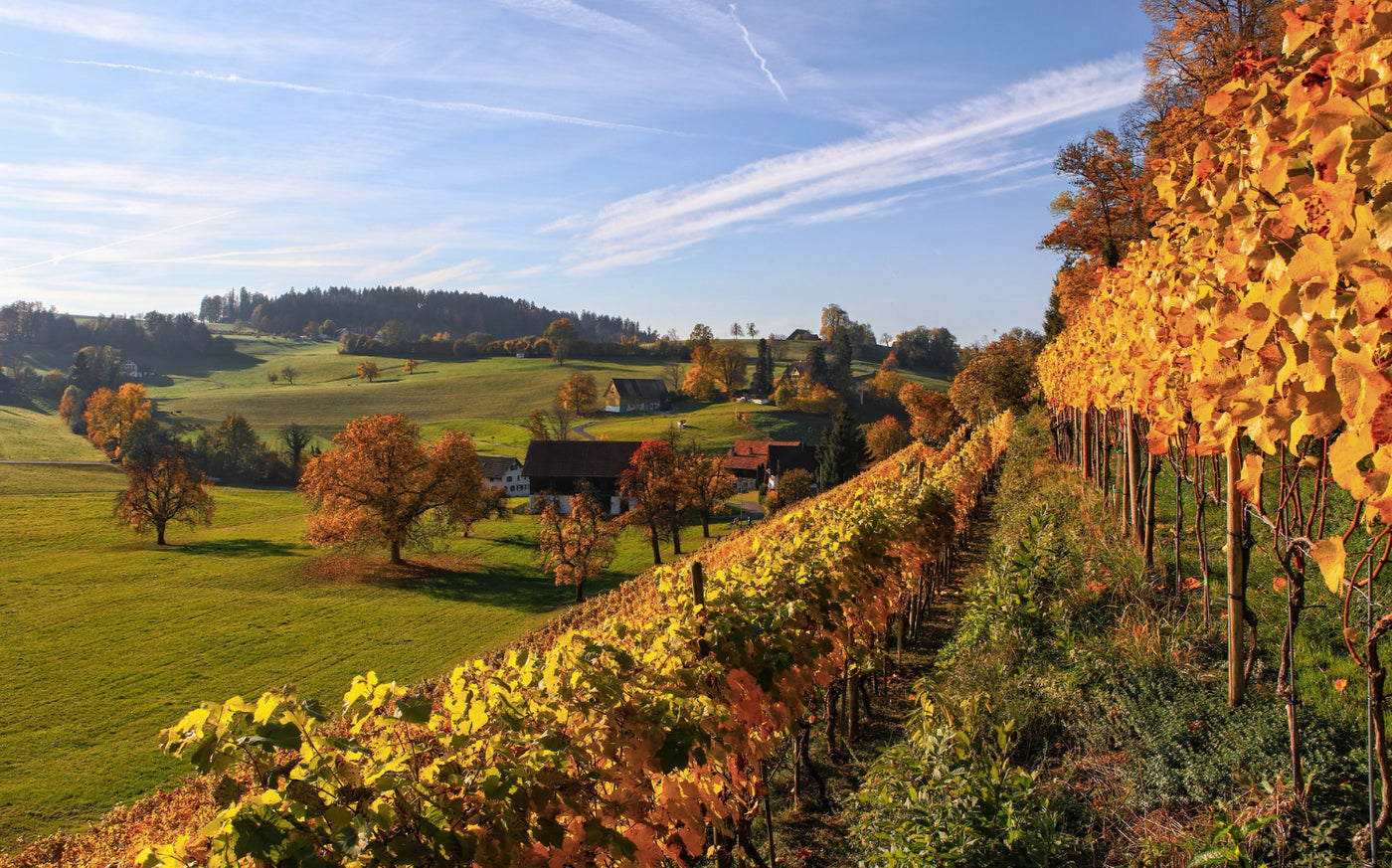
Terroir: climate and soils of the Palatinate
The Pfalz is one of Germany's warmest wine regions. The Pfalz Forest acts as a shield, bringing mild conditions and extending the growing season. The result: fully ripe grapes, a good balance between fruit and acidity, and a reliable style. The soils are diverse – loess, clay, lime, sand, colored sandstone and, in places, basalt or shell limestone. This diversity shapes the wines:
Riesling: on limestone and sandstone often precise, mineral, and powerful.
Pinot Gris: on loess and clay juicy, creamy, and harmonious.
Pinot Noir: on limestone and meager soils fine, red-fruited, with elegant tannins.
The combination of warmth, diverse soils, and differentiated sites explains why wine from the Pfalz is so consistent and at the same time multifaceted.
Palatinate wineries – origin and signature
H2: Wineries in Pfalz – Origin and Signature
In Pfalz, the wineries are central: name and style are closely linked to their origin. Many estates now work sustainably, often organically or biodynamically, and vinify by site and parcel. The German system of predicates and origin designations (e.g., Ortswein, Lagenwein) supports transparency in terms of quality and origin, similar to the idea of Châteaux in France, where the name stands for a style and a history.
Examples and Notes:
Pfalz wineries cover a broad spectrum – from traditional to avant-garde.
Frank John is known as a winemaker and consultant for precise, long-lasting wines with a clear signature. His focus on origin, slow maturation, and finesse reflects the strength of Pfalz.
The architecture ranges from historic estates to modern wineries; both symbolize the bridge between tradition and innovation.
Those who buy Pfalz wines consciously choose signature and terroir. The names of the wineries are guidance and a promise of quality – comparable to renowned Châteaux in other regions.
Why buy wine from the Palatinate now?
- Riesling with clarity and drive – ideal for fine cuisine and everyday enjoyment.
- Pinot Gris as a versatile food companion – juicy and balanced.
- Pinot Noir with elegance and red fruit – pleasantly structured.
- Palatinate wineries with a clear profile – from classic to modern, often sustainably minded.
CTA: Discover Palatinate wines with curated recommendations – precisely selected, consumer-friendly, and with a clear sense of origin.
Enjoy a curated selection of wines from different regions


Your personal wine contact – individual and regional
Whether rare vintages, large-format bottles, or individual storage solutions – our expert team takes the time to understand your wishes. Personally, by phone, or by email.
