

No products found
About the grape variety
Characteristics and distinctive features of the grape variety
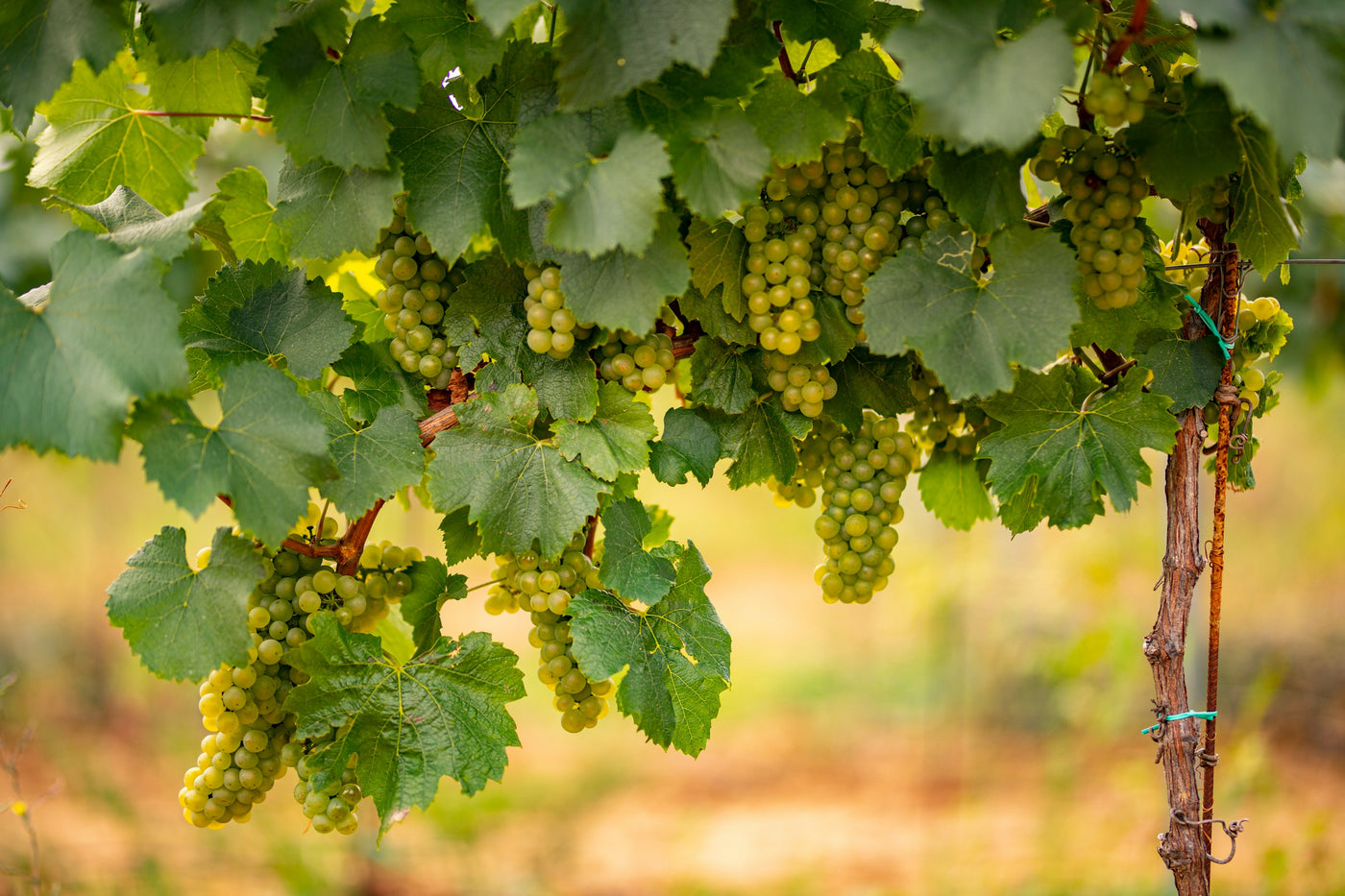
Pinot Gris, also internationally known as Grauburgunder or Pinot Grigio, is a noble white grape variety belonging to the wider Pinot family and is distinguished by its versatility and adaptability. The bunches are medium-sized and compact, with striking reddish-grey, thick-skinned berries – a characteristic that gives the variety its name.
The grape prefers moderate to warm wine-growing climates. It thrives particularly well in regions with plenty of sunshine but without excessive heat. Pinot Gris is relatively undemanding regarding soil, although it reaches its full potential on limestone, loam or volcanic soils, which give the wines density, structure and fine minerality.
In the glass, Pinot Gris displays a pale straw-yellow to golden colour, sometimes with slightly copper-coloured reflections. Aromatically it offers a broad spectrum: typical notes include ripe pear, yellow apple, quince, melon and occasionally exotic fruit such as pineapple or mango. Fine nutty hints such as hazelnut and almond may appear, together with occasional floral or herbal-spicy nuances. Acidity is generally moderate to mild, giving the wines a pleasant, approachable and creamy texture. Pinot Gris is medium- to full-bodied, making it popular both on its own and as a food wine.
Terroir strongly shapes the style: cooler sites tend to produce leaner, fresher wines with lively fruit and fine minerality, while warmer locations produce fuller, richer and more aromatically intense wines.
Winemaking and maturation
Pinot Gris is predominantly made dry and as a single-varietal wine. Classic vinification takes place in stainless-steel tanks to preserve freshness and fruit. For fuller wines or single-vineyard bottlings, many producers also use large wooden casks or even barriques. Restrained oak ageing adds structure, complexity and a fine creamy texture without masking the variety's characteristic fruit.
Sweeter styles – such as Spätlese or Auslese – are rare, but can be produced in exceptional years from fully ripe or noble-rot-affected grapes. In Italy, Pinot Grigio is often lighter, fresher and intended for earlier drinking, whereas Germany and Alsace (where it is called Pinot Gris) frequently produce fuller-bodied wines with greater ageing potential.
Ageing potential varies: simple, fruit-driven wines are best enjoyed young, while high-quality examples from top sites and wines aged in wood can mature for several years and gain complexity. Alsace in particular produces long-lived, profound Pinot Gris that can remain compelling even after ten years.
Key wine-growing regions
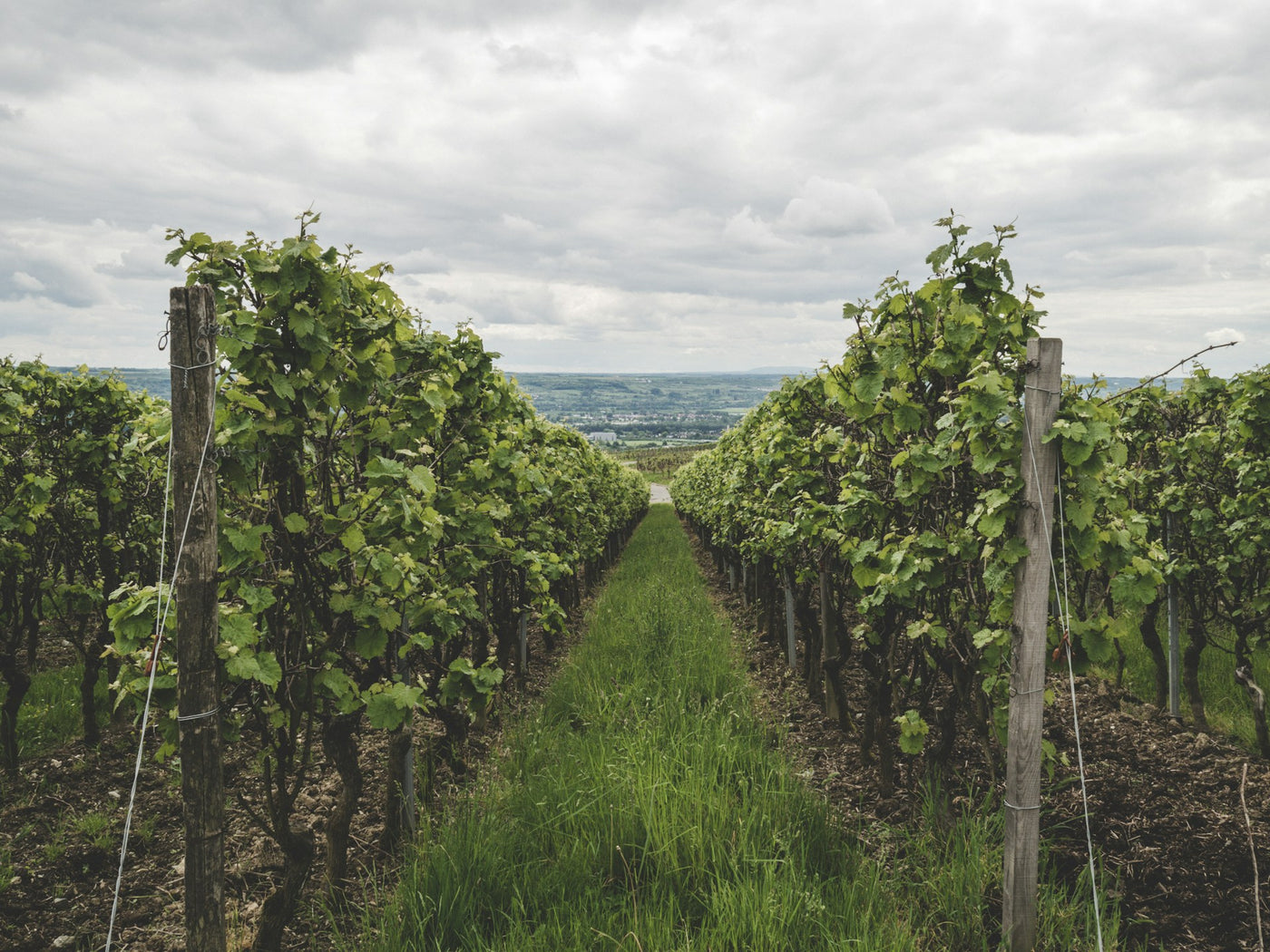
Germany is one of the most important growing countries for Pinot Gris and has seen vineyard area rise for years, especially in Baden, the Palatinate, Rheinhessen and the Nahe. The wines cover a broad stylistic spectrum: Baden and the Palatinate generally produce fuller, richer examples with weight and texture, while cooler regions such as the Nahe or Rheingau place greater emphasis on elegance and freshness.
Pinot Gris is also one of the classic grape varieties of Alsace in France, where it is often made in a powerful style with some residual sugar. In Italy, particularly Friuli and South Tyrol, Pinot Grigio is extremely popular and is vinified in a light, fresh style ideal as an aperitif or summer wine. Exciting interpretations are also increasingly produced in New Zealand, Australia and the United States.
History of the grape variety
Pinot Gris is a natural mutation of Pinot Noir and was first described in Burgundy during the Middle Ages. From there, the variety spread through Switzerland to Germany, Austria and France, and eventually to Italy. In Germany it was traditionally known as “Ruländer”, particularly for sweeter styles. Since the 1980s, the dry, fresh Grauburgunder style has become established and has made the variety one of Germany's most sought-after white grapes.
Pinot Gris has a long tradition in Alsace and northern Italy and was valued there as a quality grape as early as the 18th and 19th centuries. Today the variety is grown worldwide and enjoys an excellent reputation – from uncomplicated summer wines to complex, ageworthy top wines.
Enjoy an exquisite selection of wines from different regions


Your personal wine contact – individual and regional
Whether rare vintages, large-format bottles or individual storage solutions – our expert team takes the time to understand your needs. In person, by phone or by email.
