

About the wine region
Wines from Mallorca
Mallorca is more than sun, sea, and the Serra de Tramuntana – it is a vibrant wine island with its own identity. Between limestone terraces, red clay (Call Vermell), and slate-rich plots, indigenous grape varieties like Callet, Mantonegro, Fogoneu, and Prensal Blanc ripen alongside international classics such as Cabernet Sauvignon, Merlot, Syrah, and Chardonnay. The Mediterranean climate with cooling sea breezes ensures ripe, aromatic fruit while preserving freshness. This results in elegant cuvées that combine herbal spice, clear structure, and island finesse.
The wine tradition dates back to antiquity; after a decline in the 20th century, the bodegas experienced a renaissance starting in the 1990s. Today, Mallorca's bodegas stand for origin and signature style: Small, quality-oriented wineries work with a focus on individual plots, prioritize gentle cellar work, and interpret the island's diversity in a contemporary way. Whether it's a powerful Mallorcan red wine with fine tannins or a precise Mallorcan white wine with a salty note – the wines reflect the landscape, climate, and culture. Those who want to rediscover the island should start with a glass: full of character, distinctive, and wonderfully Mediterranean.
Grape varieties in Mallorca
In Mallorca, local and international grape varieties meet. Typical ones are Callet, Mantonegro, Fogoneu, and Prensal Blanc, supplemented by Cabernet Sauvignon, Syrah, Merlot, Monastrell, Chardonnay, and Viognier. Cuvées dominate on the island: for red wines often Callet or Mantonegro with Syrah or Cabernet Sauvignon, and for white wines usually Prensal Blanc with Chardonnay or Giró Ros. This diversity gives Mallorca's wineries a lot of leeway for balance and style.

Mallorcan Red Wines: Mediterranean Depth, Island Freshness, and Terroir Precision
Majorcan red wines are characterized by ripe, dark fruit aromas such as plum and black cherry, Mediterranean herbs, and subtle spice. The tannins are noticeable but soft – a result of the island's limestone and slate soils.
Red wines are often blended as a cuvée: Callet brings elegance and fine acidity, Mantonegro provides warmth and fullness, while Syrah and Cabernet Sauvignon lend structure. The best Mallorcan red wine styles reflect the terroir – coastal breezes preserve freshness, and the sun ensures optimal ripeness. Many bodegas opt for moderate oak aging so as not to overpower the typical island signature and the unique character of the grape varieties.
Selected Red Wines from Mallorca
View all
Majorcan white wines: from dry and fresh to nobly sweet
Mallorcan white wines offer a wide spectrum, from dry and fresh to nobly sweet. Prensal Blanc is characterized by clear citrus notes, saline minerality, and moderate alcohol, often complemented by Chardonnay, which adds extra texture.
Aromatic grape varieties like Giró Ros and Moscatel impart floral and exotic nuances. Rare noble sweet varieties are created through selective harvesting and the intense island sun, delighting with concentrated, honeyed spice. Many wineries now bottle their white wines earlier to preserve tension and typical island freshness. The results range from puristic-mineral to creamy-elegant styles.
Selected white wines from Mallorca
View allAbout the Wine Region: Majorca as an independent wine island
Mallorca is the largest of the Balearic Islands and is divided, under wine law, into the DO Binissalem, DO Pla i Llevant, and several Vinos de la Tierra. Its winemaking history dates back to antiquity; after a period of decline, Mallorca has experienced a renaissance since the 1990s, characterized by quality, origin, and indigenous grape varieties. The wineries on Mallorca benefit from the Mediterranean climate with mild winters, warm summers, cooling winds, and significant diurnal temperature differences in the higher elevations. Today, Mallorca is known for unique cuvées that combine Mediterranean warmth with precise freshness. For culinary travelers, visits to the wineries on Mallorca are an integral part of the island's culture – from small boutique operations to modern wineries with elegant architecture.
Mallorca's vineyard area is in the mid-five-figure hectare range, distributed across both DOs and several VT zones. It has grown moderately in recent decades, while planting density and parcel management have been specifically geared towards quality.
The DO Binissalem focuses on calcareous soils in the island's interior, with an emphasis on Callet and Mantonegro. The structure is fragmented, characterized by many family businesses and boutique wineries. The DO Pla i Llevant covers the east of the island, with more proximity to the coast, permeable soils, and good ventilation; here, Prensal Blanc and international grape varieties play a larger role. Vinos de la Tierra offer flexibility for experimental cuvées and new sites, allowing wineries on Mallorca to refine their signature beyond the DO rules.
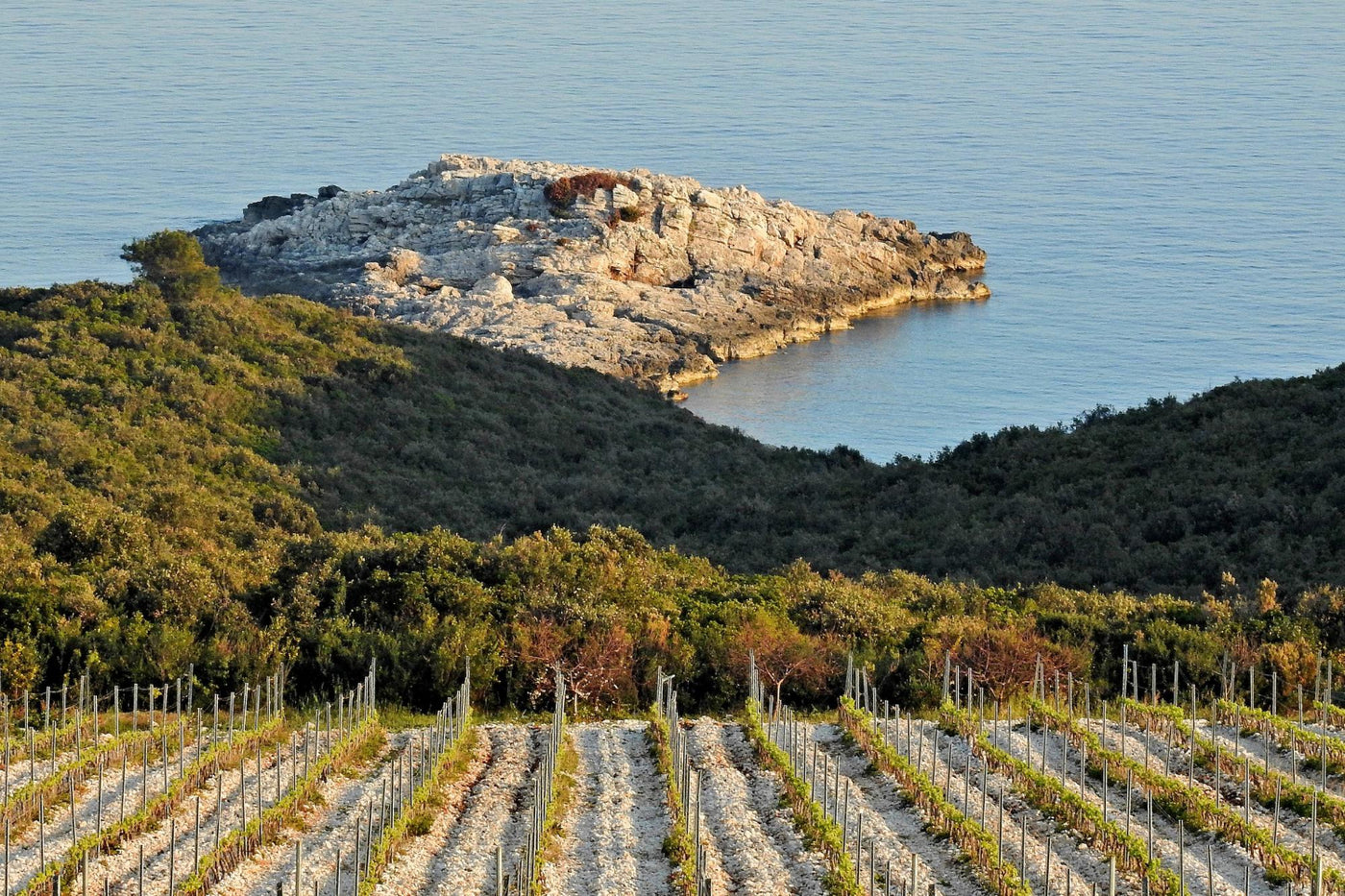
Terroir: Climate and Soils in Mallorca
Mallorca's terroir is characterized by a Mediterranean climate with a maritime breeze; the Serra de Tramuntana creates diverse microclimates and protects the vineyards from extreme weather. Rainfall is concentrated in spring and autumn. The island's soils are dominated by limestone and clay, supplemented by slate veins and iron-rich red clay (Call Vermell). Gravel and alluvial soils ensure good drainage.
These conditions directly affect the wines: For red wines, limestone and slate bring tension, a fine tannin structure, and herbal spice, while warmer sites promote ripe fruit and fullness. White wines benefit from calcareous and sandy soils, which impart salinity, citrus freshness, and clear lines; cooler parcels preserve acidity. The terroir gives Mallorcan wines an unmistakable character – less powerful than many mainland wines, but often more elegant, herbaceous, and strongly shaped by the terroir.
Wineries in Mallorca: Identity, Origin, and Prestige
In Mallorca, bodegas stand for origin, signature, and the unmistakable identity of a wine. The brand and name of a bodega are central to style, quality, and recognition. Many island wines are marketed under the name of the respective bodega; the architectural diversity ranges from historic fincas to modern cellars, often operating on the gravity principle. A uniform classification system does not exist – instead, DO rules, meticulous parcel work, and the reputation of individual bodegas shape the image. Thus, names of origin and individual signatures create trust and prestige, while Mallorca interprets this approach with its own character and Mediterranean diversity. An example of this philosophy is Toni Gelabert, a pioneer of biodynamic viticulture in Mallorca, who draws international attention with indigenous grape varieties and sustainable cultivation.
Why buy island wines now?
Mallorcan wines impress with their unique styles, where Mediterranean warmth meets herbal freshness and clear structure. Indigenous grape varieties such as Callet and Prensal Blanc give the wines their distinctive character. Red wines delight with a fine tannin structure, white wines with precise acidity – enjoyment and aging potential are equally guaranteed. The diversity ranges from small boutique wineries to renowned bodegas on Mallorca, ensuring a curated selection for every taste.
Frequently Asked Questions:
Which autochthonous grape varieties characterize Mallorca's wines? Mallorcan wines are primarily produced from native varieties such as Callet, Mantonegro, Fogoneu, and Prensal Blanc, which contribute to their distinctive character and typical island freshness.
How do Mallorcan wines differ from mainland Spanish wines? Thanks to the Mediterranean climate, diverse soils, and cooling sea breezes, Mallorcan wines display a unique balance of ripe fruit, herbal spice, and freshness – often more elegant and terroir-driven than many mainland wines.
What defines a good winery (Bodega) in Mallorca? A good Bodega values sustainable cultivation, meticulous vineyard work, and the preservation of autochthonous grape varieties. Transparency in origin and style, as well as an individual signature, make the wines unmistakable.
Enjoy an exquisite selection of wines from various regions


Your personal wine contact - individual and regional
Whether it's rare vintages, large-format bottles, or custom storage solutions – our team of experts will take the time to understand your needs. In person, by phone, or by email.
