

No products found
Wines from Châteauneuf-du-Pape
Châteauneuf-du-Pape lies in the heart of the southern Rhône Valley and is one of France's most important appellations. Here, cuvées are produced that combine warmth, Mediterranean herbs, dark fruits, and fine spices. Châteauneuf-du-Pape wine is characterized by sun, wind, and stony soils – a characterful expression of the South and at the same time one of the most reliable sources for age-worthy Rhône wines. Those who wish to buy Châteauneuf-du-Pape wine will find a great variety: from classic, powerful red wines to rare, spicy white wines.
France’s Rhône – Significance, Climate and Terroir
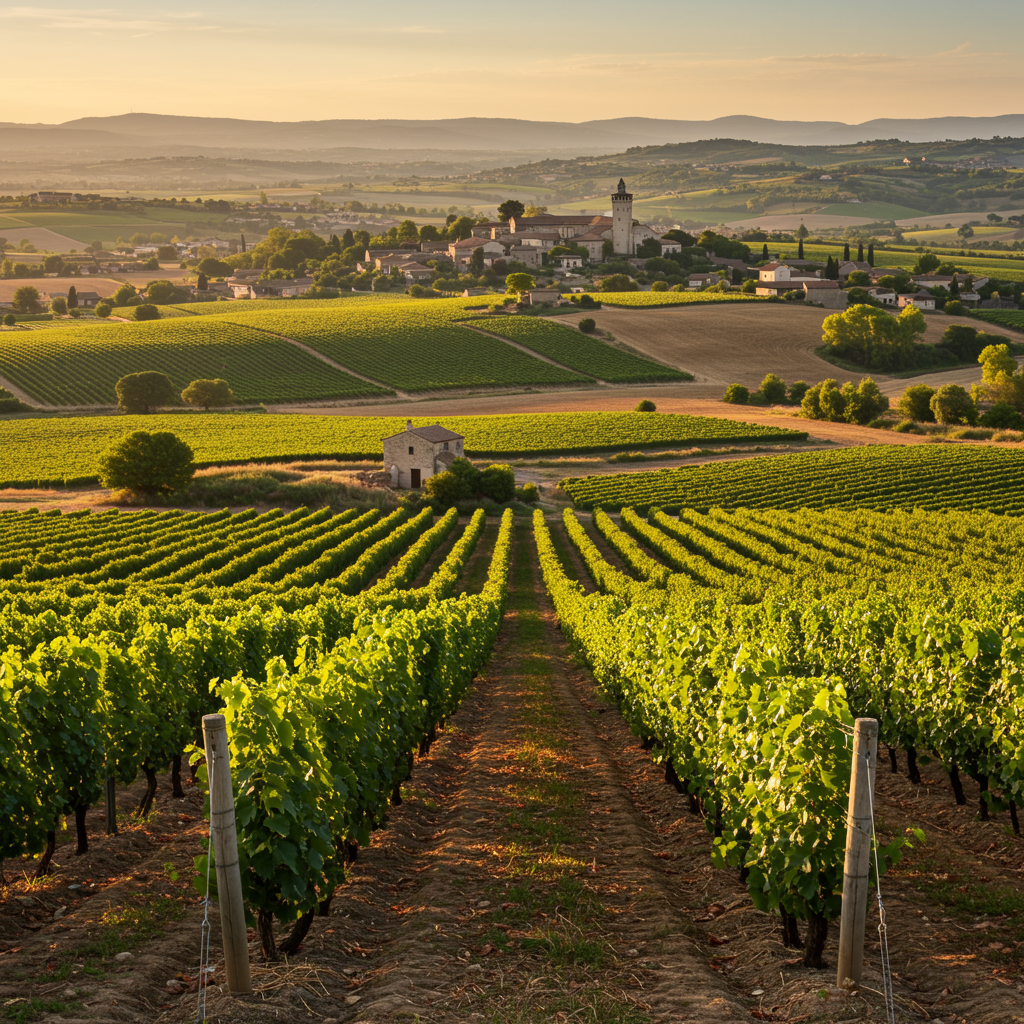
France is considered one of the centers of world viticulture. The Rhône Valley is roughly divided into two styles: the cooler, more straightforward North and the warm, Mediterranean South. Châteauneuf-du-Pape clearly belongs to the South. The vineyards are located on terraces and plateaus, interspersed with famous Galets roulés – round river stones that store sunshine during the day and release warmth at night. Additionally, the Mistral, a dry northern wind, keeps the grapes healthy and ensures clear, concentrated aromas. The result: Châteauneuf-du-Pape wine with ripe fruit, balsamic herbs (garrigue), and a structure that is both powerful and balanced.
• Climate: warm, sunny, dry; Mistral as a cooling, drying factor
• Soils: pebbles (galets), sand, clay, limestone; the style varies depending on the location
• Style: dark berries, plum, licorice, dried herbs, pepper, often silky to powerful tannins
Grape variety diversity – the DNA of Châteauneuf-du-Pape
The appellation is famous for its grape variety diversity. Historically, up to 13 grape varieties are permitted; in practice, three dominate: Grenache, Syrah, and Mourvèdre. This trio shapes the identity of Châteauneuf-du-Pape wine.
Leading Grape Varieties and Cuvée Style
• Grenache: Core of the cuvée, brings red/dark fruit, warmth, and texture
• Syrah: Color, peppery spice, structure
• Mourvèdre: Depth, tannin, aging potential
• Other permitted varieties (e.g., Cinsault, Counoise, as well as white varieties such as Clairette, Roussanne, Bourboulenc) add complexity and freshness.
If you are interested in the Châteauneuf-du-Pape grape varieties, it's worth looking at the proportion of Grenache: a higher Grenache content often signifies broad, juicy fruit and warmth; more Mourvèdre brings a cooler core and firmer tannins; Syrah intensifies color and peppery spice. Thus, the style varies between opulent and structured – always terroir-driven.
History and wine culture
The name "Châteauneuf-du-Pape" dates back to the Popes' residence in Avignon (14th century). With ecclesiastical presence, trade, and growing reputation, the region quickly developed into a quality benchmark in the South of France. The appellation is one of the oldest controlled designations of origin in the country: clear rules on yield, grape varieties, and winemaking ensure its profile and authenticity. This has led to a wine culture that takes tradition seriously and has been carefully modernized in recent decades: selective harvesting, precise vinification, and increasingly sustainable vineyard work. Today, Chateauneuf du Pape wine combines loyalty to its origin with contemporary clarity.

Red Wines from Châteauneuf-du-Pape
Red is at the heart of it. These wines showcase ripe dark fruit, dried herbs, hints of licorice, pepper, and subtle earthy notes. Depending on their aging, tannins range from velvety to powerful. Many wines age for 8–15 years and gain in depth: leather, tobacco, and truffle notes are typical aging aromas.
• Pairings: braised lamb shank with herbs, game, Mediterranean vegetable dishes, grilled eggplant, mushroom ragout, aged hard cheese.
White wine from Châteauneuf-du-Pape
Less well-known but exciting: the white wines from Roussanne, Clairette, Grenache Blanc, and others. They are aromatic, textured, and show yellow fruit, fennel, almond, and a fine salinity.
• Pairings: pan-fried fish, chicken with lemon and herbs, fennel-orange salad, mild goat cheese.
Diversity of regions within the appellation
Châteauneuf-du-Pape is not a monolithic block. Plots on pebbles often yield powerful, warm cuvées; sandy soils result in airier wines with finer tannins; limestone and clay contribute tension and length. Winemaker styles further differentiate: traditional foudre or concrete aging versus sometimes modern, precise use of wood and stainless steel. Those looking to buy Châteauneuf-du-Pape wine benefit from knowing the winery's style – from opulent to finely structured.
Vintages, Storage and Drinking Windows
Warmer vintages emphasize ripe fruit and immediate accessibility; balanced years yield structured, long-lived wines. Many Châteauneuf-du-Pape wines are enjoyable from their third to fifth year, peaking between their seventh and twelfth year, depending on the cuvée and grape varietal blend. Storing at 12–14 °C, in a dark place with low vibration, preserves freshness and balance. Decanting helps release spice and garrigue aromas.
Enjoy a curated selection of wines from different regions


Your personal wine contact – individual and regional
Whether rare vintages, large-format bottles, or individual storage solutions – our expert team takes the time to understand your wishes. Personally, by phone, or by email.
