

About the grape variety
Characteristics and distinctive features of Tempranillo
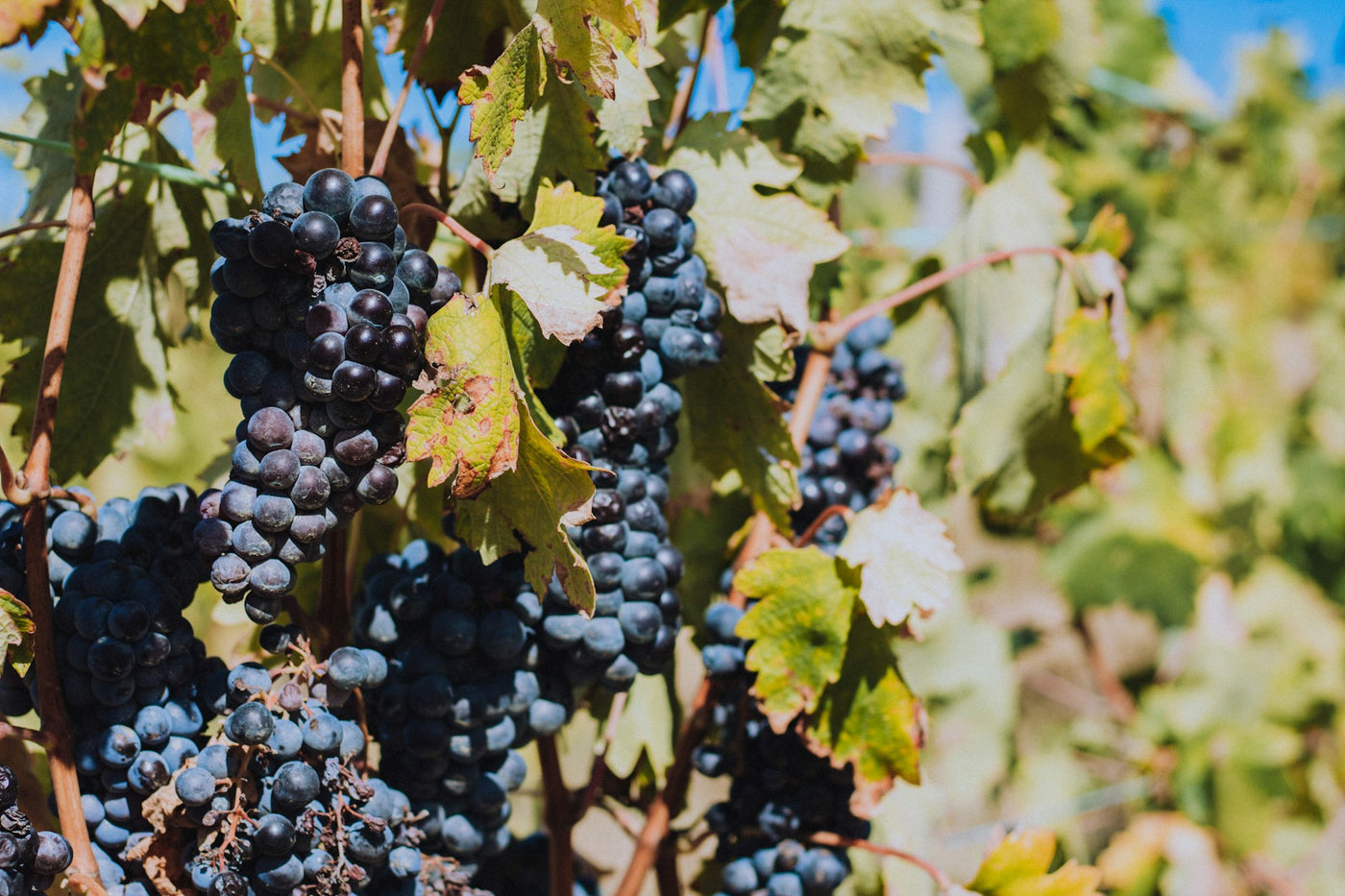
Tempranillo is Spain's most important red grape variety and shapes the character of the great wines of the Iberian Peninsula like no other. The bunches are medium-sized and compact, with thick blue-black skins that provide intense colour and pronounced tannic structure. This robust skin makes the variety resistant to heat and disease – an important advantage in Spain's Mediterranean climate.
The grape prefers moderate to warm, dry climates with large differences between day and night temperatures. This promotes slow, even ripening while preserving freshness and elegance in the wine. Tempranillo thrives particularly well on limestone, loam or stony soils such as those found in Rioja, Ribera del Duero and Toro. These soils contribute complexity, depth and distinctive minerality.
Aromatically, Tempranillo is multi-layered: typical notes include ripe red and dark berries such as cherry, plum, strawberry and blackberry, complemented by tobacco, leather, vanilla, cedar and often hints of liquorice or clove. Depending on ageing and maturity, dried fruit, chocolate or smoky notes may also develop. Acidity is generally moderate to lively, providing freshness and structure. The tannins are present, ripe and supple, making Tempranillo enjoyable both young and mature. Body ranges from medium to full depending on origin and vinification.
Terroir strongly influences the style: cooler sites produce elegant, mineral wines with fine acidity, while warmer areas yield powerful, concentrated and spicy Tempranillo.
Winemaking and maturation
Tempranillo is predominantly made dry and as a single-varietal wine, but it is also an important component of many blends, for example with Garnacha, Mazuelo or Graciano in Rioja and Ribera del Duero. Traditional vinification takes place on the skins to extract colour, aroma and tannin effectively. Ageing in wooden barrels (barricas) is an integral part of Spanish wine culture: Tempranillo traditionally matures in American or French oak, with the influence of the wood ranging from subtle to pronounced depending on the style.
Spanish wines are classified according to ageing time: Joven (young, little or no oak), Crianza (at least 12 months in barrel), Reserva (at least 12 months in barrel and 24 months total ageing), and Gran Reserva (at least 18 months in barrel and 60 months total). With longer ageing, the wines gain complexity, elegance and depth. Young Tempranillo impresses with freshness and fruit, while mature examples show spice, silky tannins and excellent balance.
The grape is also used for Rosado (rosé) and in rarer white-wine versions known as Blanco de Tempranillo. High-quality Tempranillo has enormous ageing potential: the great wines of Rioja and Ribera del Duero in particular can mature for decades, developing fascinating, multi-layered tertiary aromas.
Key wine-growing regions
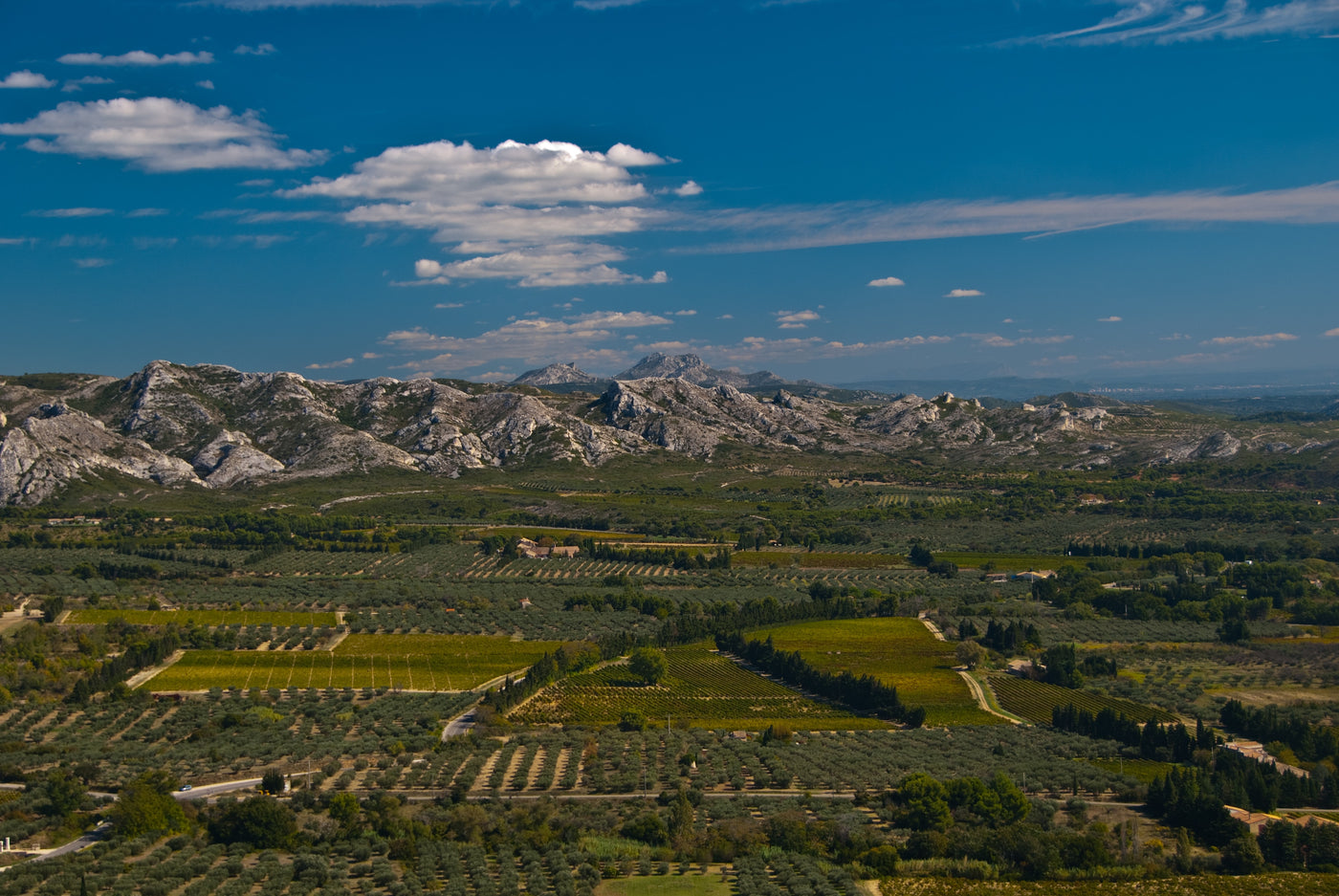
The heart of Tempranillo cultivation lies in Spain, above all in Rioja, Ribera del Duero, Toro, Cigales, Navarra and La Mancha. Rioja produces elegant, balanced wines with floral and spicy notes, while Ribera del Duero is known for powerful, deeply coloured and long-lived reds. Toro stands for especially concentrated and intense wines, whereas Navarra and Cigales often favour fruit-driven, elegant styles.
In Portugal, the variety is known as Tinta Roriz in the Douro and Aragonez in Alentejo and is an important component of Port blends as well as high-quality red wines. Tempranillo is also being cultivated with increasing success overseas, including in Argentina, Australia, California and South Africa.
History of the grape variety
The history of Tempranillo dates back at least to the Middle Ages. Its name derives from the Spanish word “temprano” (early), referring to the variety's comparatively early ripening. Tempranillo was probably cultivated by the Romans and later by monasteries in northern Spain, and it quickly developed into the most important grape of Rioja and Castile.
In the 19th and 20th centuries, the phylloxera crisis and the international rise of Spanish quality wine brought the variety worldwide recognition. In Portugal, Tempranillo became part of the great Port tradition under the names Tinta Roriz and Aragonez. Today, few grapes represent Spanish wine identity as strongly, and the variety delights wine lovers around the world with its versatility and class.
Enjoy an exquisite selection of wines from different regions


Your personal wine contact – individual and regional
Whether rare vintages, large-format bottles or individual storage solutions – our expert team takes the time to understand your needs. In person, by phone or by email.
