

About the grape variety
Characteristics and distinctive features of the grape variety
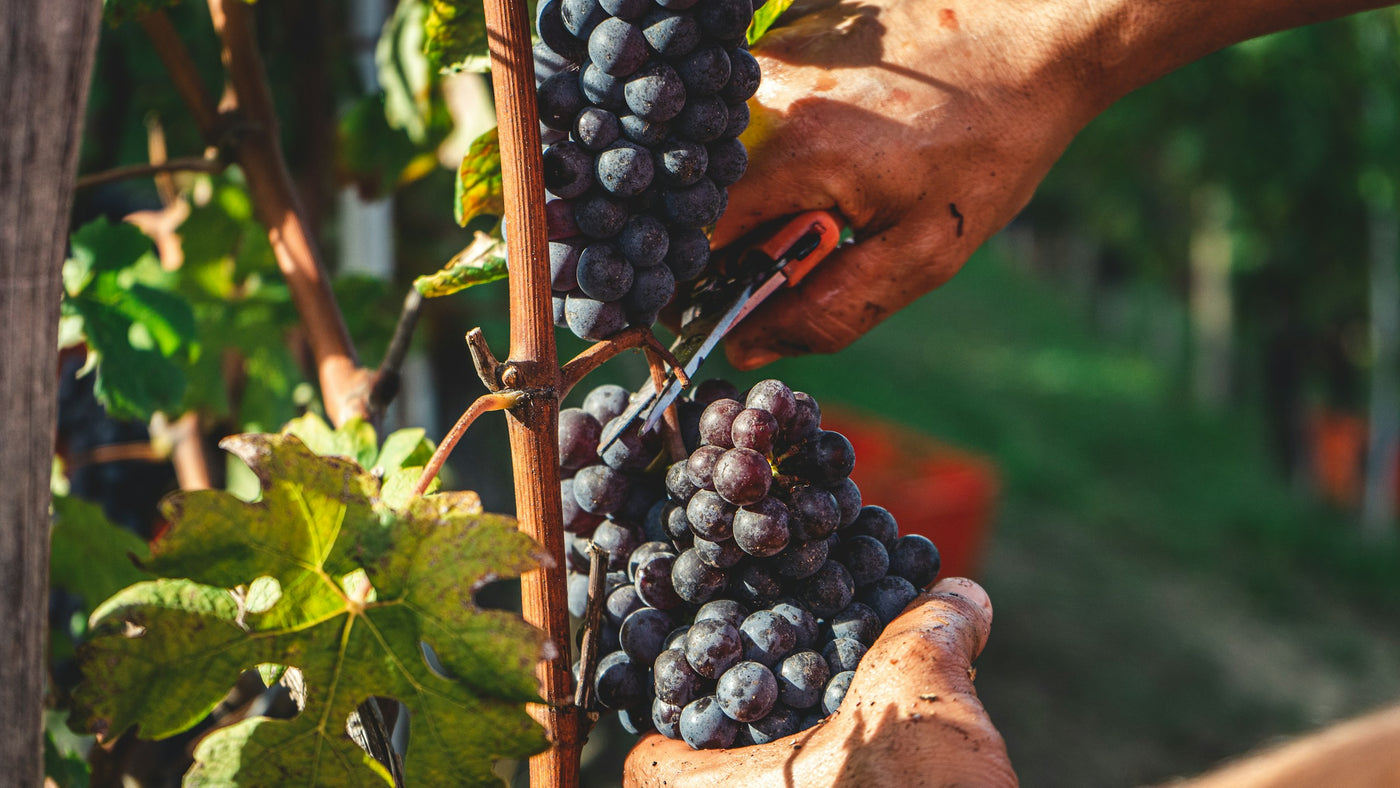
Grenache, known as Garnacha in Spain and Cannonau in Italy, is one of the oldest and most widely planted red grape varieties in the world. The bunches are medium to large and loosely packed, with thin bluish-violet skins. The thin skin makes Grenache susceptible to Botrytis and other fungal diseases, but it also contributes to the wine's exceptional suppleness and soft, low-tannin character.
Grenache is best suited to warm, dry climates, particularly those of the Mediterranean. The vine loves sunny, windy sites and is highly resistant to heat and drought, making it ideal for regions with hot summers and lean soils. It reaches its full potential especially on poor, limestone-rich and stony soils, producing distinctive, terroir-driven wines.
Aromatically, Grenache is defined by pronounced fruit: red berries such as strawberry, raspberry and cherry are at the forefront, complemented by white pepper, herbs of Provence, dried flowers and occasional fine nuances of liquorice, leather or tobacco. The wines are generally medium- to full-bodied with moderate to low acidity and gentle, velvety tannins. These supple tannins make Grenache wines particularly approachable even in their youth.
Terroir strongly influences style: sandy soils often produce lighter, more perfumed wines, while stony or slate-rich soils bring greater intensity, structure and complexity. In very hot regions, the wines may show higher alcohol and riper fruit, while cooler sites emphasise elegance and freshness.
Winemaking and maturation
Grenache is predominantly made dry and is used both as a single-varietal wine and as an important component of famous blends. Classic wines are fermented in stainless-steel tanks to preserve their fruit. More complex, ageworthy wines are often matured in large wooden casks or barriques, with oak generally used discreetly so that the fruit remains in the foreground.
The variety is particularly well suited to rosé production – in southern France and Spain, Grenache is used for some of the world's most popular and aromatic rosés. It also has a long tradition in Port-style and other fortified wines, as its high sugar content makes it suitable for powerful, sweet styles.
Ageing potential varies: simple, fruit-driven wines are intended for early drinking, while high-quality wines from old vines or special sites can mature for ten years or more, gaining complexity, depth and spice.
Key wine-growing regions
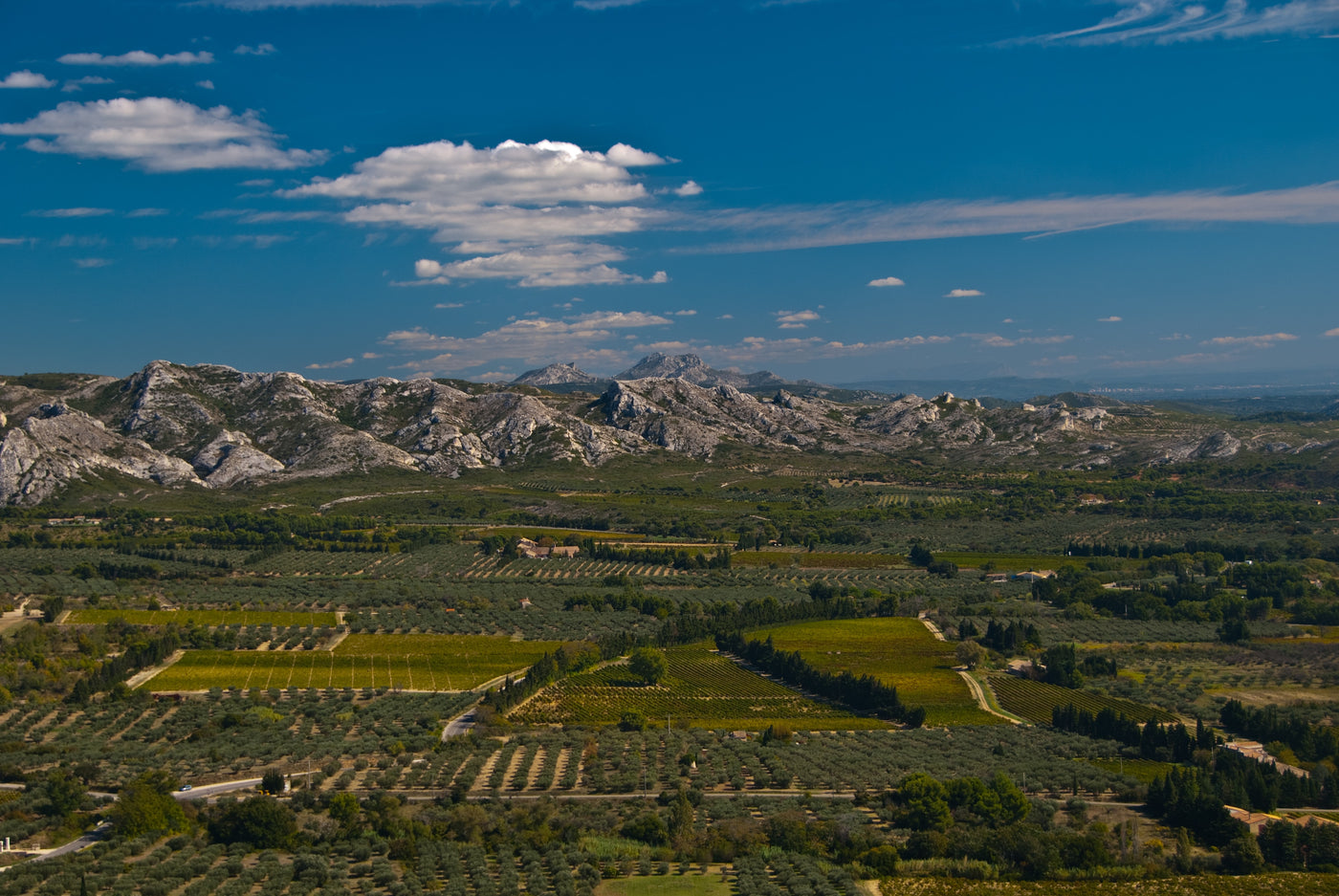
Grenache is particularly widespread around the Mediterranean. In France it plays a leading role in the southern Rhône (Châteauneuf-du-Pape, Gigondas, Côtes du Rhône), Provence and Languedoc-Roussillon. Some of the most famous and long-lived Grenache wines are produced here, often blended with Syrah, Mourvèdre or Carignan.
In Spain, the variety is known as Garnacha and covers large areas in Aragón, Navarra and especially Priorat, where it produces powerful, complex wines. It is also valued in Catalonia, Rioja and the Balearic Islands. In Italy – particularly Sardinia – it is known as Cannonau and is an important part of the wine landscape.
Grenache has also established itself overseas: expressive, distinctive examples are produced in Australia's Barossa Valley and McLaren Vale, as well as in California and South Africa. Terroir strongly shapes the style in each region – from fruit-driven and juicy to spicy and complex.
History of the grape variety
The history of Grenache reaches back to the Middle Ages. It most likely originated in north-eastern Spain (Aragón), from where it spread throughout the Mediterranean through conquest and trade. By the 14th century, Grenache was firmly established in Spain and southern France and had become a key grape for red, rosé and sweet wines.
In the 19th century, the variety's global expansion brought new challenges, particularly the phylloxera crisis, which destroyed many European vineyards and encouraged cultivation overseas. Today Grenache is regarded as one of the world's most important and versatile grape varieties – as a single-varietal wine, in blends and as a basis for rosé and sweet wines.
Enjoy an exquisite selection of wines from different regions


Your personal wine contact – individual and regional
Whether rare vintages, large-format bottles or individual storage solutions – our expert team takes the time to understand your needs. In person, by phone or by email.
