

No products found
Über das Weingut
Italy – A wine country with soul, diversity, and millennia-old tradition
Italy is not only one of the oldest wine-producing countries in the world, but also one of the most diverse. From the alpine north to the hot south, from the Mediterranean coasts to the heights of the Apennines – hardly any other country offers such a range of grape varieties, climate zones and wine styles. With over 20 wine-growing regions, more than 400 autochthonous grape varieties and a deeply rooted culture of enjoyment, Italy is one of the most important wine producers worldwide.
Diversity and millennia-old tradition
Italy is not only one of the oldest wine-producing countries in the world, but also one of the most diverse. From the alpine north to the hot south, from the Mediterranean coasts to the heights of the Apennines – hardly any other country offers such a range of grape varieties, climate zones and wine styles. With over 20 wine-growing regions, more than 400 autochthonous grape varieties and a deeply rooted culture of enjoyment, Italy is one of the most important wine producers worldwide.
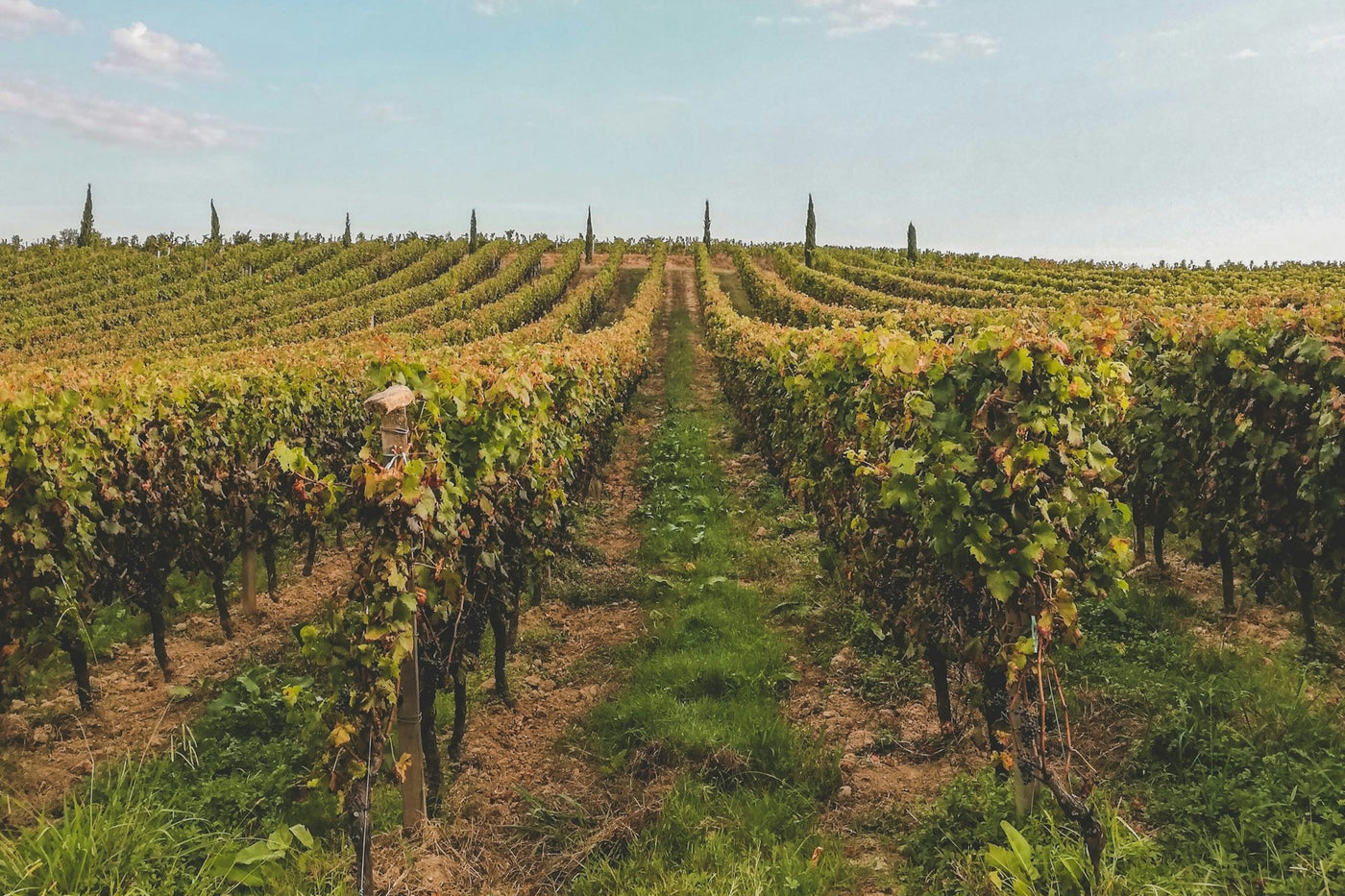
The Diversity of Italy's Wine Regions
Italy is not only one of the oldest wine-producing countries in the world, but also one of the most diverse. From the alpine north to the hot south, from the Mediterranean coasts to the heights of the Apennines – hardly any other country offers such a range of grape varieties, climate zones and wine styles. With over 20 wine-growing regions, more than 400 autochthonous grape varieties and a deeply rooted culture of enjoyment, Italy is one of the most important wine producers worldwide.
Legendary Châteaux in Bordeaux
Share information about your store with your customers. Describe a product, share announcements, or welcome customers to your store.

Château Bellevue und der Merlot
Heute ist Château Bellevue zu 100 % mit Merlot bepflanzt. Das durchschnittliche Alter der Reben liegt nach Angaben des Conseil des Vins de Saint-Émilion bei rund 40 Jahren. Schon vor der Teilung 2022 war Merlot die entscheidende Sorte. Früher vorhandene Cabernet-Franc-Stöcke wurden sukzessive entfernt, sodass Bellevue bereits mehrere Jahre vor der Neuordnung reinsortige Merlot-Weine erzeugte.
Das ist für einen Grand Cru Classé aus Saint-Émilion durchaus bemerkenswert. Cabernet Franc spielt bei vielen Châteaux des Kalksteinplateaus eine wichtige Rolle und mit dem Klimawandel auch eine immer entscheidendere. Bellevue zeigt dagegen, wie präzise und strukturiert Merlot auf einem kühlen Ton-Kalk-Terroir ausfallen kann.
In der Nase dominieren häufig Pflaume, Schwarzkirsche und dunkle Beeren, ergänzt durch florale, erdige und würzige Noten. Am Gaumen verbindet sich die dichte Frucht mit präsenten, aber feinen Tanninen und einer kalkig-salzigen Frische. Gerade diese Spannung verhindert, dass die natürliche Fülle des Merlot schwer wirkt.
Die Jahre mit Château Angélus
Die Jahre zwischen 2007 und 2022 haben den heutigen Ruf von Château Bellevue wesentlich geprägt. Nach dem Einstieg der Familie de Boüard wurde die Arbeit im Weinberg intensiviert und der Keller modernisiert. Das technische Team von Château Angélus betreute Bellevue sowohl im Weinberg als auch bei der Vinifikation. Emmanuelle Fulchi, langjährige Önologin und technische Direktorin bei Angélus, war von 2008 bis 2021 zugleich für die technische Betreuung von Bellevue verantwortlich.
Aus dieser Phase stammen einige der international besonders hoch bewerteten Jahrgänge und Bellevue tauchte damit regelmäßig unter den hoch bewerteten Parker-Weinen aus Saint-Émilion auf. Die Bedeutung dieser Bewertungen liegt weniger in einzelnen Punktzahlen als darin, dass sie Château Bellevue international größere Aufmerksamkeit verschafften. Das Weingut stand lange im Schatten prominenter Nachbarn, obwohl sein Terroir unmittelbar an einige der bekannten Lagen von Saint-Émilion grenzt.
Biologischer Weinbau
2016 begann Château Bellevue mit der Umstellung auf biologischen Weinbau. Die Arbeit im Weinberg rückte damit noch stärker in den Mittelpunkt. Auf einem so kleinen Weingut lässt sich besonders präzise arbeiten. Die drei Hektar bilden heute eine weitgehend homogene Einheit, sodass Boden, Exposition und Reifeentwicklung sehr detailliert berücksichtigt werden können. Die Lese erfolgt von Hand. Im Keller kommen Beton-, Holz- und Edelstahltanks zum Einsatz. Der Ausbau erfolgt traditionell im Barrique.
Enjoy an exquisite selection of wines from various regions


Your personal wine contact - individual and regional
Whether rare vintages, large-format bottles or individual storage solutions – our team of experts will take the time to discuss your requirements. In person, by phone or by email.
