

About the grape variety
Characteristics and distinctive features of Sémillon
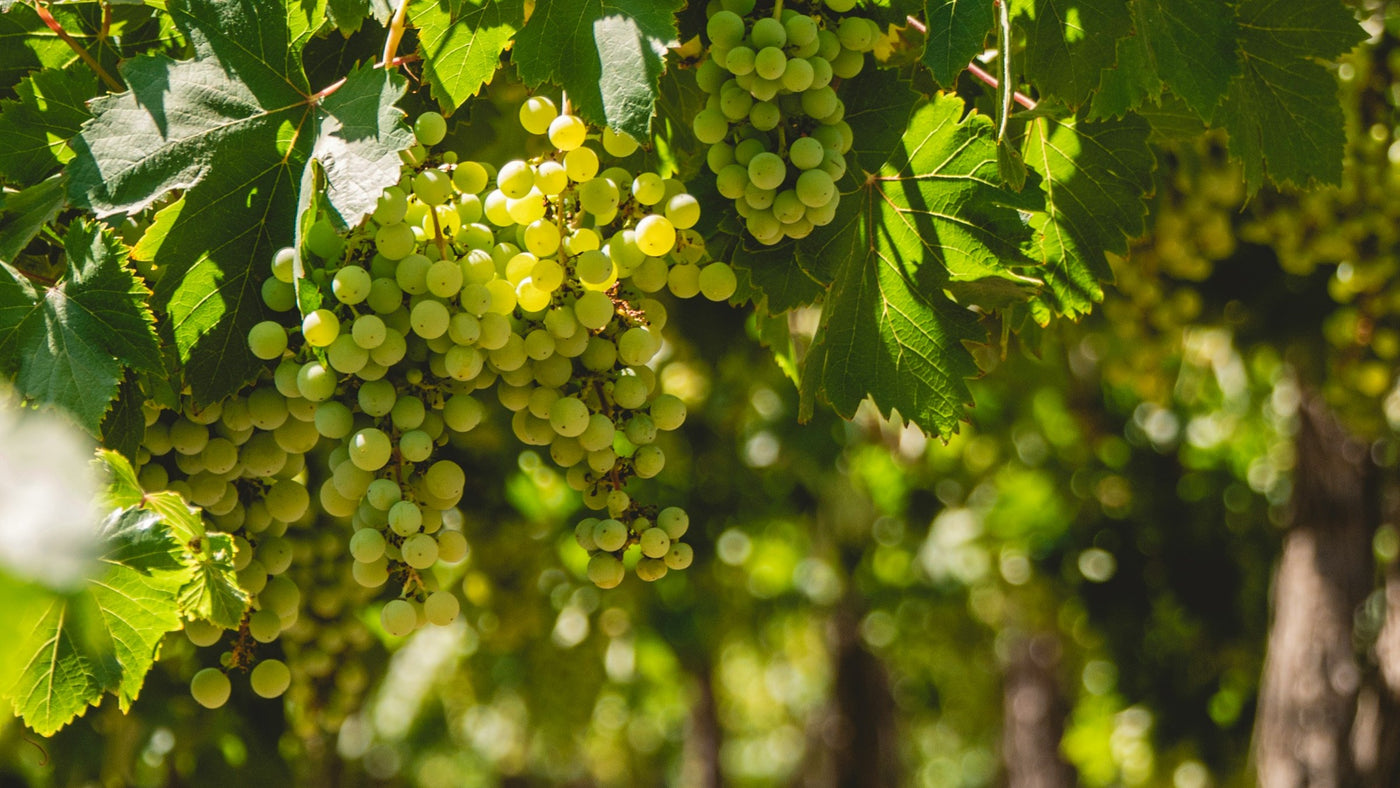
Sémillon is a traditional white grape variety renowned for its versatility and its role in some of the world's most famous sweet wines. The berries are medium-sized, round to oval and golden yellow, with relatively thin, delicate skins. This makes them susceptible to noble rot (Botrytis cinerea) – a blessing for the production of noble-sweet wines such as those from Sauternes in France.
Sémillon thrives best in moderate to warm climates. In its Bordeaux homeland, it benefits from the Atlantic-influenced climate, where humid autumns provide ideal conditions for Botrytis. In warmer regions such as Australia, Sémillon produces dry, full-bodied and long-lived wines with a distinctive character.
In the glass, Sémillon generally has a restrained yet elegant aromatic profile. Young wines show citrus, green apple, pear and fine herbal spice. With age – especially in the great sweet wines – complex notes of honey, dried apricot, nuts, beeswax and exotic fruit such as mango or pineapple develop. Acidity is generally moderate to lively, giving the wines freshness and structure. Body ranges from medium-light to full, often with a creamy texture and soft mouthfeel.
Terroir has a strong influence: gravel and clay soils in Bordeaux produce elegant, long-lived wines, while sandy soils in Australia yield fresh, lemony Sémillons with exceptional ageing potential.
Winemaking and maturation
Sémillon is made in very different styles – from dry to lusciously sweet. In Bordeaux, Sémillon is usually blended with Sauvignon Blanc and Muscadelle to produce the world-famous sweet wines of Sauternes, Barsac and Monbazillac. Here noble rot concentrates sugar and aromas and creates enormous ageing potential. Vinification takes place in stainless steel or, more commonly, in barriques, which add depth and notes of vanilla and toast.
Dry Sémillon is produced particularly in Australia (Hunter Valley, Barossa Valley), as well as in South Africa, Chile and increasingly California. Depending on the style, the wines are fermented and aged in stainless steel or wooden barrels. Young dry Sémillons can be restrained, but with several years of bottle age they develop exceptional complexity, depth and aromas reminiscent of wax, honey and nuts.
Sémillon's ageing potential is impressive: dry Hunter Valley examples can mature for decades and gain considerable structure and character. The noble-sweet wines of Sauternes are legendary for their longevity and can delight across generations.
Key wine-growing regions
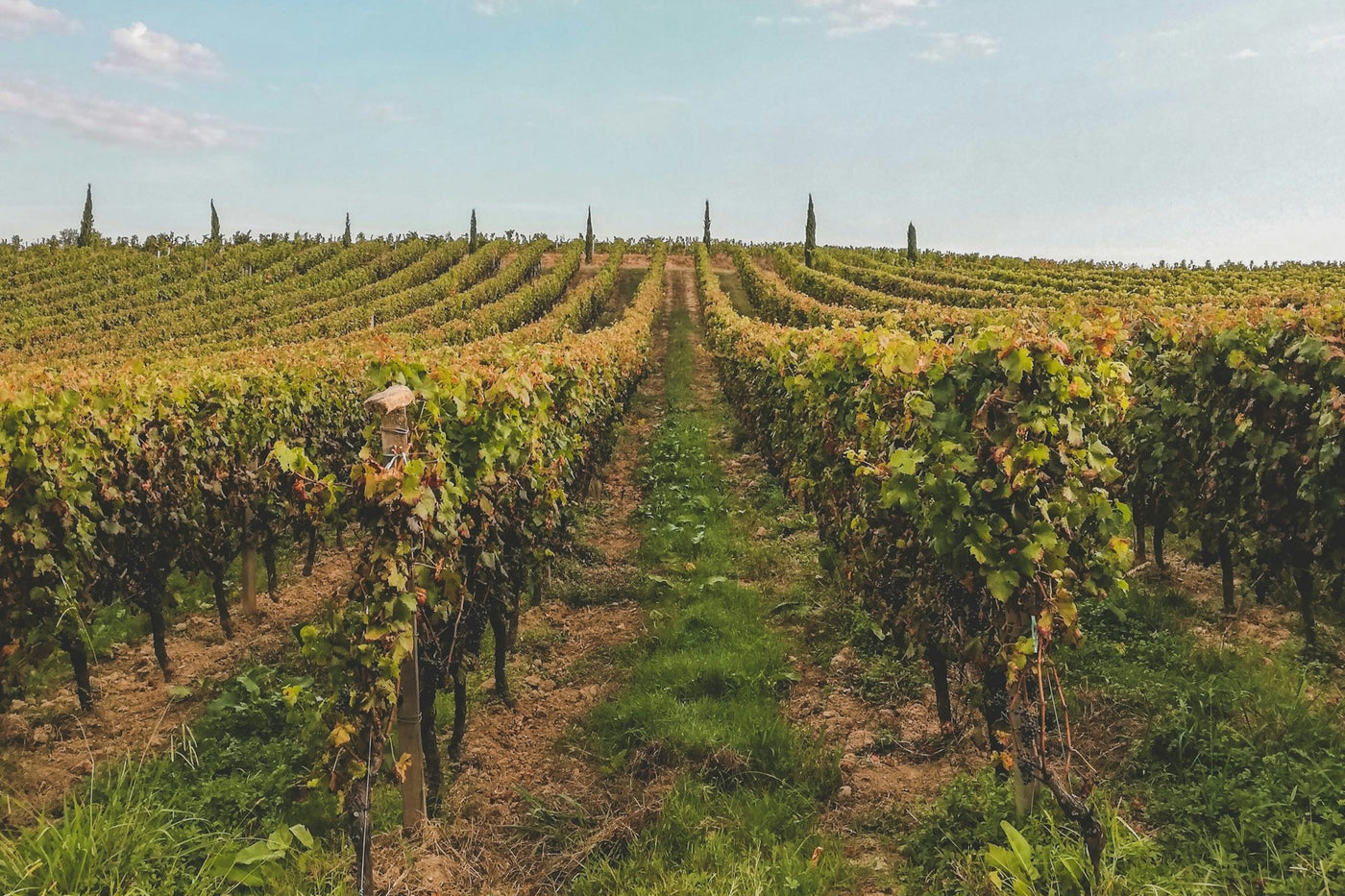
The most important growing region for Sémillon is Bordeaux, particularly the appellations of Sauternes and Barsac. This is where some of the world's best-known and longest-lived sweet wines are produced, including Château d’Yquem. Sémillon is also used in dry white wines, for example in Entre-Deux-Mers.
In Australia, especially the Hunter Valley near Sydney, Sémillon has established itself as a distinctive dry fine wine. In youth the wines are often light and lemony, but with age they develop remarkable depth and complexity. Other important regions include South Africa, Chile and California, where Sémillon is produced as a varietal wine or blended with Sauvignon Blanc and Chardonnay.
Terroir strongly shapes the style: Bordeaux is known for opulent, sweet and long-lived wines, while Hunter Valley Sémillons are celebrated for freshness, citrus fruit and exceptional longevity.
History of the grape variety
Sémillon probably originated in south-western France and was documented there as early as the 17th century. The variety quickly became a principal grape for the sweet wines of Sauternes and Barsac. In the 19th century, French emigrants brought Sémillon to Australia, where it is now regarded as one of the country's most important white grape varieties.
Over the centuries, Sémillon was also widely used in dry white Bordeaux blends, although it was often overshadowed by Sauvignon Blanc. In recent years, Sémillon has regained recognition – both as a standalone grape in dry wines and as the foundation of great sweet wines. Modern winemakers around the world are rediscovering the variety's versatility and ageing potential.
Enjoy an exquisite selection of wines from different regions


Your personal wine contact – individual and regional
Whether rare vintages, large-format bottles or individual storage solutions – our expert team takes the time to understand your needs. In person, by phone or by email.
