

About the grape variety
Characteristics and distinctive features of the grape variety
Carmenère is a fascinating red grape variety from Chile that was long confused with Merlot. The vine originally comes from Bordeaux, but achieved its greatest fame in Chile, where it is now regarded as the country's “national grape”. The berries are small to medium-sized, round and have a thick, dark-blue skin. This provides intense colour pigments, protects the berries against disease and gives the wine a deep ruby-red colour.
Carmenère thrives best in moderate to warm climates. Its modern home is in Chile's sunny, dry valleys. There the vines benefit from warm days and cool nights, which promote fruit ripeness while preserving natural acidity. Conditions in the Central Valley and Colchagua are particularly favourable: long growing seasons allow the berries to ripen fully and help prevent the green, vegetal notes that can occur when the grapes are harvested too early.

In the glass, Carmenère displays an unmistakable aromatic spectrum. Typical notes include blackcurrant, blackberry, plum and cherry, accompanied by spicy accents of green pepper, black pepper, cocoa and tobacco. Hints of dark chocolate, coffee or herbs are also common. Natural acidity is moderate to low, giving the wine a soft, accessible structure. Body ranges from medium to full, always supported by velvety, ripe tannins. These provide pleasant richness and make Carmenère particularly harmonious and rounded.
The influence of terroir is especially noticeable: cooler Andean sites produce wines with greater freshness, structure and spice, while Carmenère from warmer river valleys is often softer, riper and more fruit-driven. Mineral soils and large day-night temperature differences provide balance and complexity.
Key wine-growing regions
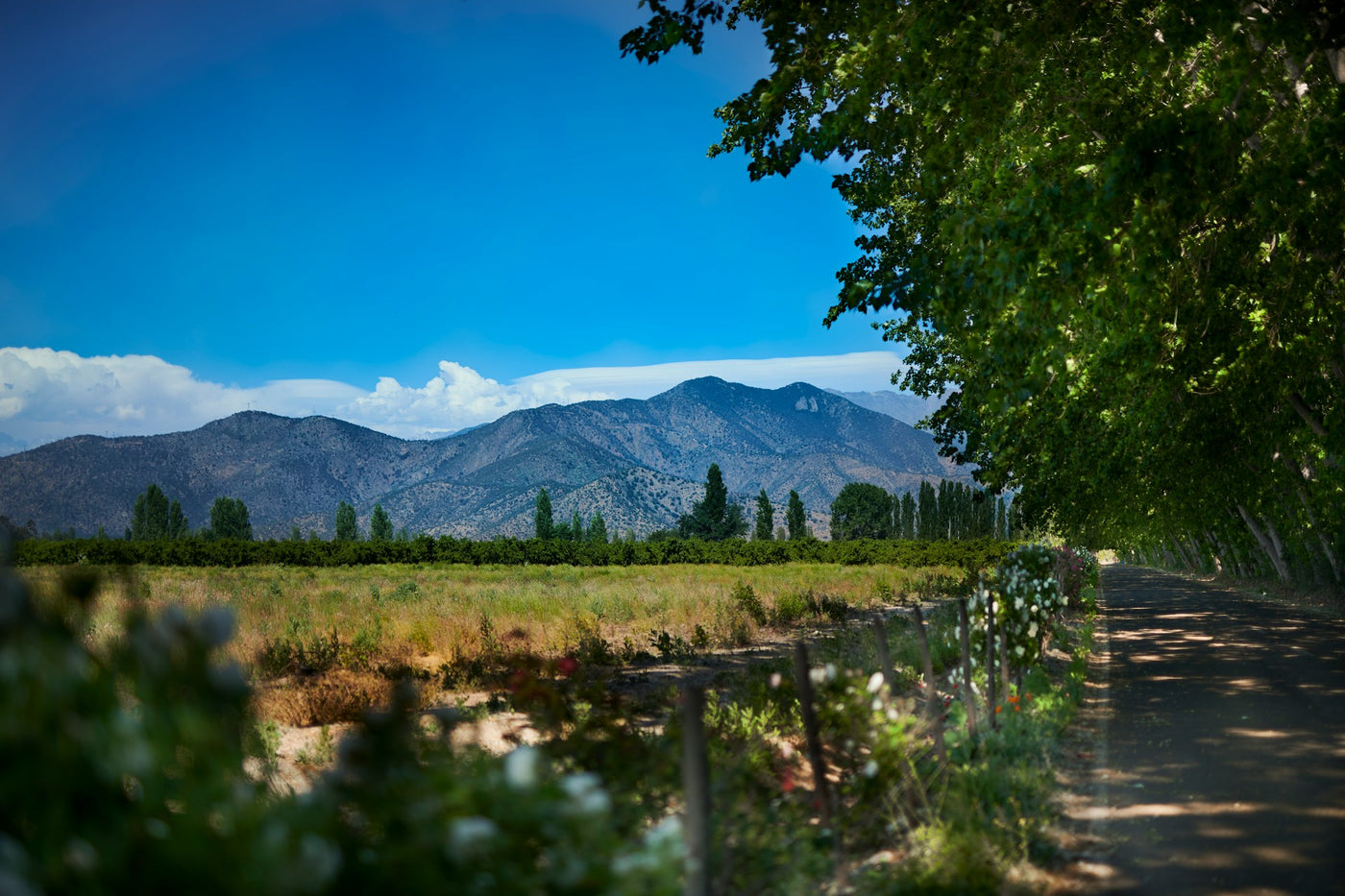
Today, the centre of Carmenère cultivation is Chile, particularly the Central Valley, Maipo Valley, Rapel Valley and Colchagua Valley. These areas offer ideal conditions for the variety: stony, well-aerated soils, abundant sunshine and large temperature differences between day and night. These conditions promote full ripening of the grapes and help prevent green, unripe aromas.
History of the grape variety
Carmenère is one of Bordeaux's old grape varieties and is genetically closely related to Merlot and Cabernet Sauvignon. It was valued as part of classic Bordeaux blends in the 19th century, but almost disappeared after the phylloxera crisis. In Chile it was initially mistaken for Merlot and was only identified as a separate variety through DNA analysis in the 1990s. This discovery triggered a renaissance and a genuine Carmenère boom in South American viticulture.
Today Carmenère is a flagship of Chilean wine and stands for expressive wines with spice and velvety elegance.
Enjoy an exquisite selection of wines from different regions


Your personal wine contact – individual and regional
Whether rare vintages, large-format bottles or individual storage solutions – our expert team takes the time to understand your needs. In person, by phone or by email.
